Oops, I did it again. I wrote an unintentional essay. I’ve accepted my verbose writing style. For the three people who consistently read my work, I hope you enjoy my latest effort.
Before The Car album came out I predicted the theme and even the stage set up so accurately that I couldn’t resist trying my luck again.
If you recall my last mini essay, I wrote a detailed prediction for the pending 8th Arctic Monkeys album. That prediction was inspired by current global affairs. The protests, revolutions, and resistance of the last two years reminded me of the 60s counterculture, the Haight-Ashbury scene, and the music that responded to that movement. I’m back again with a second prediction, a return to New/Dark Wave music. I was inspired by the themes of the last two albums, the lament of nostalgia, dark side of the Laurel Canyon, the rise of cults and serial killers in California, the ambient music of 80s soundtracks, and Bret Easton Ellis.
There are two ways an artist can evolve their sound: by moving forwards or drawing inspiration from the past, moving backwards. My first prediction had the band looking backwards, returning to the 60s. And even though this one is a return to the 80s, when compared to the chronological lineup of the band’s albums, an 80s theme would actually be the next sound, and a move forward.
If you’re not interested in reading through a mini essay, here’s a summary:
SUMMARY
Article? My second prediction for the 8th Arctic Monkeys Album.
Theme and Lyrics Prediction? Numbness as a feeling. With an 80’s theme, I was inspired by Bret Easton Ellis who mastered the satirical, scathing commentary on the darker side of 1980’s Los Angeles. Although I reference Bret’s LA novels, Less Than Zero and The Shards to set the overall tone of Alex’s writing, I will be using Bret’s character Patrick Bateman (who was set in New York) as a writing tool to navigate the themes of the 8th album.
Album sound prediction? 80s New Wave and Dark Wave. Fusion of rock and more synthesizers.
Album Aesthetics Prediction? A heavy emphasis on visuals with Alex expanding his directorial role. MTV launched in the 80s. Music videos shaped and altered the narrative. The band will see a bigger shift in visual productions.
Bret described the 1980s culture he writes about as, “the most pessimistic and ironic generation that has ever roamed the earth.” I believe the 8th album will parallel the theme.
INTRODUCTION
“Numbness as a feeling, numbness as a motivation, numbness as the reason to exist, numbness as ecstasy.” – Bret Easton Ellis
When I sat down to write my first 8th Arctic Monkeys album prediction, I had a clear idea of where it was headed. I revisited the world of Tranquility Base Hotel and Casino which I think catapulted the band into a new dimension of experimentation. In fact, we haven’t seen the last of it. The inspiration also hailed from a few key tracks and the instruments used on The Car album. I found songs like Body Paint, The Car, Sculptures of Anything Goes, and Big Ideas to embody the overall theme of the album.
I also examined our current social and political turmoil, as a parallel to the 1960s counterculture spirit and its impact on rock music. My first prediction for the 8th album presented the idea of the band returning to the sounds of the Summer of Love while navigating the political world we’re living in. I used the songs, Body Paint and The Car, as the inspiration for the first prediction.
Personally, my music taste gravitates towards the 60s anthems, but while writing the previous prediction, my instinct pulled me towards another theme. So here I am with another take!
INSPIRATION
Usually between album releases, I go through past interviews in hopes of catching a reference foreshadowing the next sound. I’ve also looked for activity surrounding the band’s acquaintances on social media, since the band members don’t participate in the social media circus. Their friends and peers are more active, and can be less discreet. Arctic Monkeys travel in a tight knit group, which makes them that much more fascinating to infiltrate through my writing. I’ve usually found whenever a member of the group indulges in an interest, the rest follow suit. Whether that’s a conscious reaction or not is none of my business, but it’s been an interesting observation nonetheless.
Before the lunar album, Alex Turner’s then partner would post certain passages from books or share albums that ultimately aligned to a lot of themes on the lunar album. So I looked for that again as well as current music trends, or a resurrection of.
LOS ANGELES AS A RECURRING THEME
In 2014, during the AM album tour, the band covered “Hollywood Hopeful” by Loudon Wainwright III. The song is exactly what it claims: the wish of stardom and fame in Hollywood, yet fearing the dream won’t come true. He was giving us a glimpse into the following albums and where his writing was headed.
The last two albums shared a common theme without much resolution. His lyrics on both Tranquility Base Hotel and Casino and The Car are consistent with commercialism weighing on their craft. The side eye commentary on the industry and art have been a dominant leitmotif. Kind of like a stage’s curtains swaying over the marquee lights, dimming that Tinseltown glamour.
Where does that take the band heading into the 8th album? What’s left now after all this commentary on the industry?
The complete destruction of it. I can see Alex drawing inspiration from Nathanael West’s The Day of the Locust, creating a sonic landscape of “The Burning of Los Angeles.”
And what genre of music best pays homage to numbness as a feeling? 80s New Wave Music. In fact if I were to follow the sounds of Arctic Monkeys albums in a linear format, and take into account the current industry’s rock scene, the 8th album would still push me towards the New Wave sound. Specifically its melancholic subgenre, Dark Wave and the haunting dream pop sounds of ambient soundtracks.
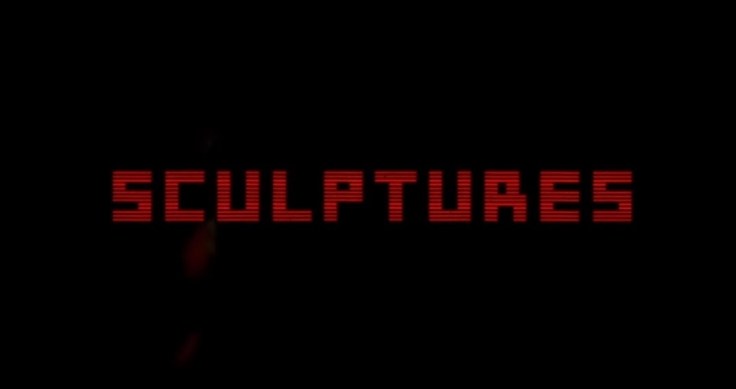
To arrive at this prediction I isolated two songs on the previous album: Big Ideas, and Sculptures of Anything Goes. Big Ideas is reminiscent of the dialogue in Batphone, the collision of the artist and the entertainer. I believe this could be their lyrical theme direction. Sculptures of Anything Goes and its use of the haunting Moog is another plausible indicator easing me towards this prediction.
I truly believe Sculptures of Anything Goes will be the overall blueprint sound for the next album.
LYRICS AND THEME PREDICTION
NUMBNESS AS A FEELING
Even though both my album predictions encapsulate two different eras sonically, with one being a return to the 60s, and one a flashback of the 80s, I will be following a similar narrative theme: Satire and self indulgence of a numb generation.
I think the next album will retreat from the diary-like vulnerability and will follow the same observational hyperbolic narration of the debut Arctic Monkeys album, Whatever People Say I Am, That’s What I’m Not, and the lunar album, Tranquility Base Hotel and Casino.
Whenever I sit down to write about a certain event in my life after some time has passed, my conscious effort in changing the initial narrative is unavoidable.
In the first prediction I examined Hunter S. Thompson’s style of unreliable narration. His technique is called Gonzo journalism, a style of writing that blurs fact and fiction. Gonzo influenced other critical writers and journalists like Tom Wolfe and Joan Didion in their observational writing called “new journalism,” which also blurs fact and fiction.
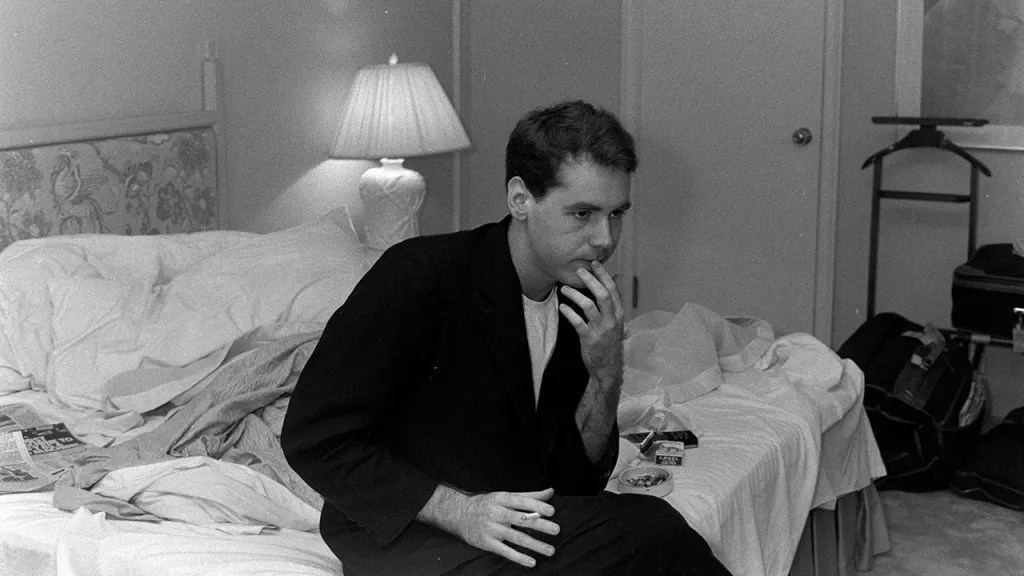
Writing this prediction, I turned to Bret Easton Ellis. He described 80s culture as a time where musicians and artists explored and experimented with minimalism and numbness. He called this type of expression, “numbness as a feeling,” and described the 1980s generation he writes about as “the most pessimistic and ironic generation that has ever roamed the earth.”
Bret’s commentary on the 80’s cultural generation is similar to the lyrics:
And do you celebrate your dark side
But then wish you’d never left the house?
Have you ever spent a generation
Trying to figure that one out?
Numbness set the tone of Alex’s inner dialogue on Tranquility Base Hotel and Casino, and one I think will be revisited on the next album.
COMRADE APPROVED ART
When I first heard the single, There’d Better Be a Mirrorball, I logged onto socials and eagerly shared my visceral connection with the opening lyric. I wrote a plethora of unintentional essays on the meaning of the song, but of course due to my terrible habit of oversharing and over writing, my words didn’t seep into the mainstream. I simply can’t condense my theories into a bite sized digestible write up.
“Don’t get emotional,” is a vulnerable and blunt opening line, reminiscent of the lunar album’s introduction, “I just wanted to be one of The Strokes.” Alex was once again talking to himself, only this time it was about a breakup. Right from the start we are made aware of this album’s self reflective narrative. This was also confirmed with the music video’s Cinéma Vérité, and the opening frame of Alex staring into the camera and breaking the 4th wall. What confused me was the fans’ perception. And their analysis was unanimous.
Bands like The Clash broke through the barriers and set new standards for mainstream success. Various sounds of reggae, rockabilly, pop, and punk fused frameworked a diverse genre. Artists like Blondie, The Police, Talking Heads, Billy Idol, AHA, Psychedelic Furs, Pet Shop Boys, B52s, Devo, The Cars, Duran Duran, New Order, Depeche Mode, and many more took over the airwaves.
A large portion of the fans believed the song was about them, the fans. This theory was so popular within the online community that multiple interviewers approached Alex with his thoughts on this take. And yes, I believe Alex does address the general public including critics in various songs (Perhaps Vampire is A Bit Strong, But–, Pretty Visitors, Fake Tales of San Francisco, One Point Perspective, Four out of Five, and Sculptures of Anything Goes). However, this analysis rubbed me the wrong way with its implication. When I read between the lines I sensed cynical ownership over the band. The idea that Alex is addressing us about our rejection of the new sound over the old, almost comforting us, is simply absurd.
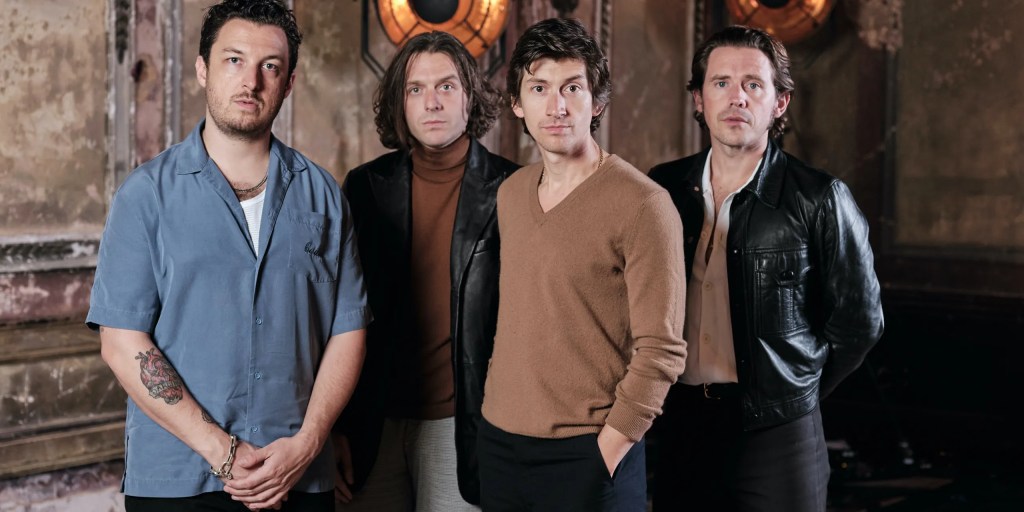
The need to have the artist constantly reassure you and fit your ideals is not something Alex has ever done. I blame a lot of current bands’ interactions online with their fans. Everything feels staged to fit triggered feelings. But Arctic Monkeys have never done this.
You can hate a band’s song and still be a fan. You can hate an entire album and still love the rest of their roster. Music is subjective. No one is forcing you to like the new albums. Moreso, they don’t owe you anything and they don’t have to stay stagnant to fulfill a non-existent contract.
The consumer narcissism is perfectly summarized In Bret’s newest non fiction book, White. He calls this concept “Comrade Approved Art.” Writing and making art for others and not for yourself. Aligning with the consensus of groupthink. This conformity limits the artist and the freedom to speak authentically. In an article with The New York Times called, “Living in the Cult of Likeability,” Bret claims we’re living in a “review culture,” where we end up self-censoring our ideas to be liked. This isn’t a new concept. In fact we are living it. Everything down to our social media reactions is a fabrication. We live in an age of performative social networks and contrived public personas. I personally think that’s why most of us fear being challenged. If you keep faking an idyllic version of yourself, how will you ever confront areas of your life that need improvement? This absurd narrative doesn’t heal pain and trauma and it keeps us stagnant.
I believe the next album will continue resisting the framework of the old Arctic Monkeys sound and the fans’ chokehold on a sound that no longer suits their path.
10050 CIELO DRIVE
Bret Easton Ellis, also known by critics as The Prince of Darkness, is a writer who I believe mastered metafiction. His 1980s Los Angeles inspired novels paint a dark side of a bright city, soundtracked by New Wave anthems.

Bret is a satirist. His characters are at times unreliable narrators who are consistently hopeless and numb. They’re filled with apathy, removed from society, and are mostly emotionally detached.
He credits Joan Didion for inspiring his voice and style of numb writing. She also explored themes of LA that consumed Bret’s youth, the Manson family’s murders on 10050 Cielo Drive.
The golden age of serial killers spread like the wildfires of California all through the late 60s and the 70s. Bret was impacted by the darkness of the Laurel Canyon. Known as the Haight-Ashbury of LA, for its counterculture hippies movement in the 1960s and 1970s, Laurel Canyon also experienced darkness with the rise of violent and idealistic cults. Rumors of military operations using it as a base contributed to the menacing mystery surrounding the area.
Side note: Rumour has it, the moon landing was filmed in the Laurel Canyon inside the Lookout Mountain Air Force Station (an area used for military operations). It’s currently Jared Leto’s private home. Jared Leto was in the American Psycho movie. He plays the very unfortunate Paul Allen.
In most of Bret’s writing, LA’s bright lights and utopian dramatization, is in blatant contradiction to its darkness and artificial reality. LA feels like a stage, a movie set. This is evident in the hyperbole and depiction of the privileged 1980s youth culture he writes about.
NEUTRAL GAZE
Through this article, I will reference a few of Bret’s novels: Less Than Zero, The Shards, and American Psycho. I will also make many references to Bret’s latest non fiction book White, which is a reflection of his earlier novels re-examined by him years after their publications.
Less Than Zero and The Shards take place in 80’s LA, featuring well off teenagers living in its exclusive and opulent setting. Both novels act as metafiction storytelling embedding Bret or a version of him into the plots. Bret employs a hyperbole style of narrating to blur the line between fact and fiction. And even though American Psycho is set in 80s New York, it still feels like a Bret Easton Ellis LA Noir novel. New York and LA share similar layered dark tones. The novels equally place the characters in the belly of the beast while navigating through the delusion of conformity and the characters’ downfall with substance abuse, commercialism, sexual promiscuity, and violent events.
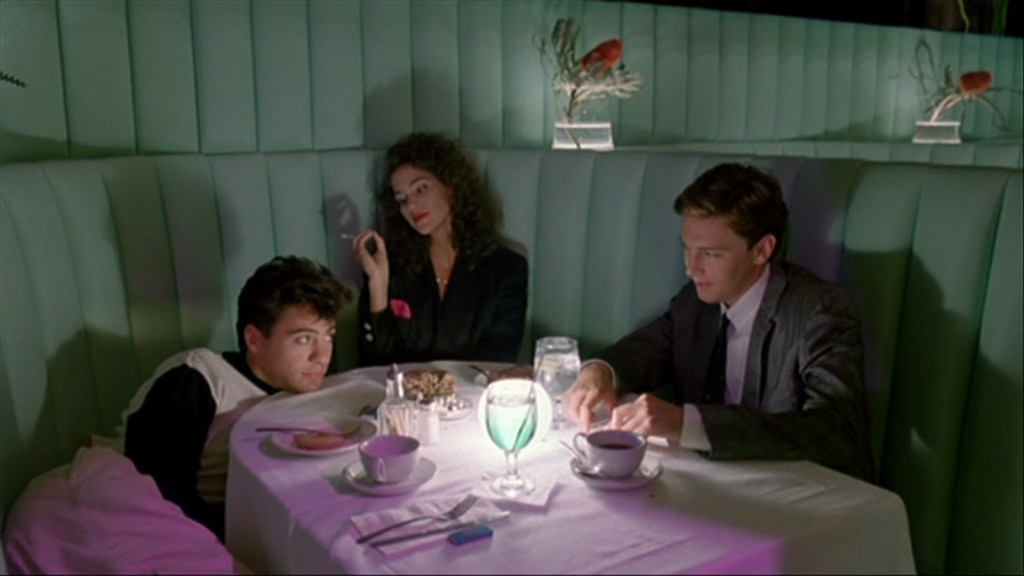
The characters in The Shards and Less Than Zero are almost soulless yet immersed in the beautiful landscape of sunny LA. Their external environment doesn’t reflect their numbness, which is a key element in Bret’s writing. It amplifies the uneasiness of the narrative.
In Less Than Zero, the main character Clay is nihilistic. His narration and account of the world around him is critical and scathing, yet written in a passive monotone. Bret wrote him similar to Patrick Bateman in American Psycho.
Bret’s “neutral gaze in the face of horror” method of writing, helps in creating impactful satire and keeps the reader engaged. Alex’s lunar world and Mark’s presence in the core of it, served a key tool in writing. Mark, or the shadow self version of Alex, is bombarded by mundane earthly matters like love, heartbreak, and struggle with technology in a cosmic setting. This distraction made it possible for Alex to plant his commentary on society, the dark side of LA, and the hypocrisy of the music industry into his lyrics, without trying to virtue signal a message about politics. And that was, and is, a literary device in fantasy writing, which he admits in the following lyrics on Science Fiction:
So I tried to write a song to make you blush
But I’ve a feeling that the whole thing
May well just end up too clever for its own good
The way some science fiction does
Unreliable Narration and The Tangible Participant
In my first prediction for the 8th album, I borrowed influence from the 60s and 70s counterculture movement and the hippie generation. With this prediction and moving into the late 70’s and 80’s, the “love” generation is no longer the pinnacle of the counterculture. LA experienced a dark turn in the late 70s where the free spirited hippies lost themselves into the world of cults. Bret’s, The Shards, is a perfect example of the dark side of LA’s privileged, deflecting their numbness in a world soundtracked by 80s New Wave music
Borrowing from Joan Didion’s novel The White Album, Bret conveys the disparity of beauty in LA by contaminating its allure with serial killers. The Shards was released in 2023 and it takes place in 1981, Bret’s final year in an elite high school in LA. The story is soundtracked by endless New Wave music references, serial killers, and cults. It’s an autofiction horror, a blend of fiction and truth, or so Bret claims. Bret is both the narrator and the protagonist.
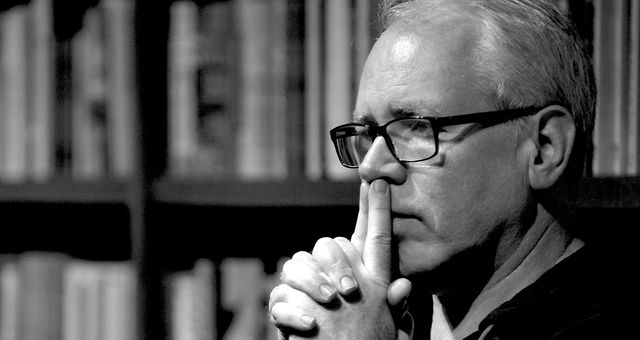
Even though he started writing in 2020, he’s had the idea for the novel since the 80’s. In the novel, Bret is writing Less than Zero and trying to get it published. He began writing The Shards at 55, 38 years after he claims the story took place in his senior year. In a way, it’s the prequel to Less Than Zero.
In his interview on The Portal with Eric Weinstein, he admits The Shards was inspired by his nostalgia for the 80s, and by his childhood fear of the Manson family. His writing allowed him to revisit his youth and make peace with his fear. Quentin Tarantino’s Once Upon A Time in Hollywood, was also inspired by Tarantino’s seeking closure towards the Manson family. The events equally haunted his youth.
In The Shards, Bret creates a persona named “the Tangible Participant,” an agreeable and social fake version of himself. The Tangible Participant allowed Bret to hide his loneliness and alienation during his senior year. This conscious effort to mask himself makes his story unreliable. I would argue The Shards is a warning about straying from the truth when retelling a story.
I also found the novel includes strange paragraph transitions, almost like camera cues found in screenplay writing. I felt aware of the fiction I was reading, even though he claims these events took place. It’s a very Orson Welles style of narrating.
In the last two Arctic Monkeys albums, Alex reflects on his career and the band’s changing sound. He was writing about his youth after a course of time. This nostalgic reflection is unreliable. With time, memories tend to blur. I think this is why Alex created a lunar theme to free himself in his stream of consciousness writing. He is hiding behind a movie soundtrack theme to blur fact with fiction. Creating an unreliable narrator in Mark, and the movie director of The Car, allowed Alex to roam through his own metafiction, and allowed us to stay engaged.
Shards have sharp edges. If we look at the meaning of the word in the context of the novel, it symbolizes fragments of memory and the reconstruction of the past.
Both Tranquility Base Hotel and Casino and The Car albums have a consistent theme of nostalgia and reflection. Alex was also inspired by Rainer Werner Fassbinder’s “world of mirrors” to convey illusion and deception in his lunar world. The band also used the Cube on stage, which I am a firm believer is a representation of Kubrick’s monolith. And how can I not mention the two main visuals dominating The Car tour? The Lens (portal) and The Mirrorball. Both symbolizing reflection, framing, and fragments of the past.
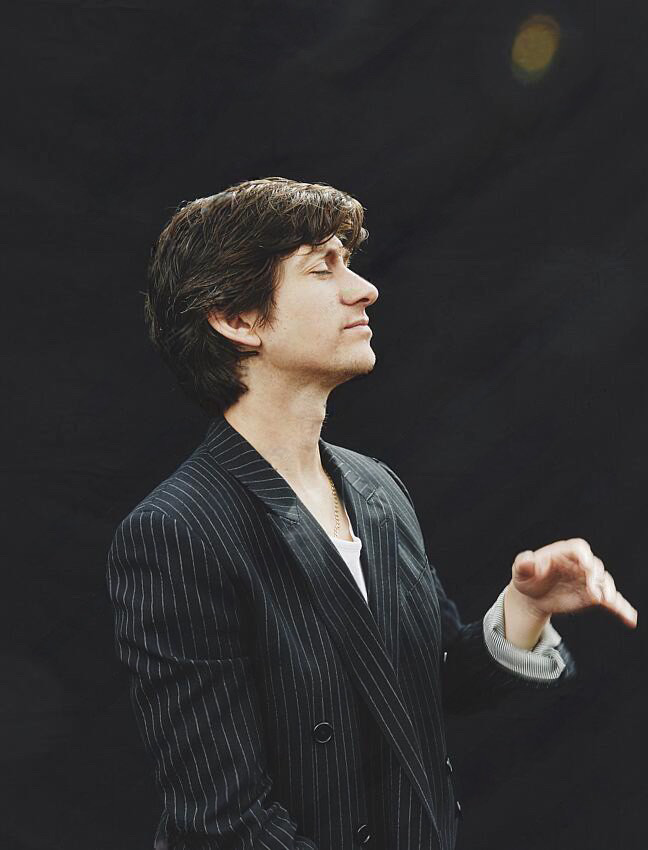
I find both Bret and Alex share a similar style of processing their past. Although Bret writes through a Gen X perspective, most of the ideas he discusses in White are observations of millennials. He believes “there is a lament of the analog age,” among millennials.
Arctic Monkeys confirmed this concept with the last two albums. Alex’s return to analog cameras, 60s cinema, and synthesizers on Tranquility Base Hotel and Casino and a return to lounge influenced 60s and 70s sounds on The Car. The topic of nostalgia and reflection is consistent on the last album as well.
I believe the use of unreliable narration and a Tangible Participant to hide the vulnerability of storytelling, will be a recurring theme for the next album. Alex seems to find comfort in staying hidden.
SELF INDULGENT
Bret has been labeled as an unreliable narrator, he deemed himself a Tangible Participant, and is sometimes criticized for self indulgent writing. And all these descriptions are found in his iconic novel, American Psycho.
Patrick Bateman is an unreliable narrator and the clue is found on the first page of the novel, in the chapter’s title: “April Fools.” The chapter opens with the line, “abandon all hope ye who enter here,” a reference to Dante entering hell in the opening poem of Inferno.
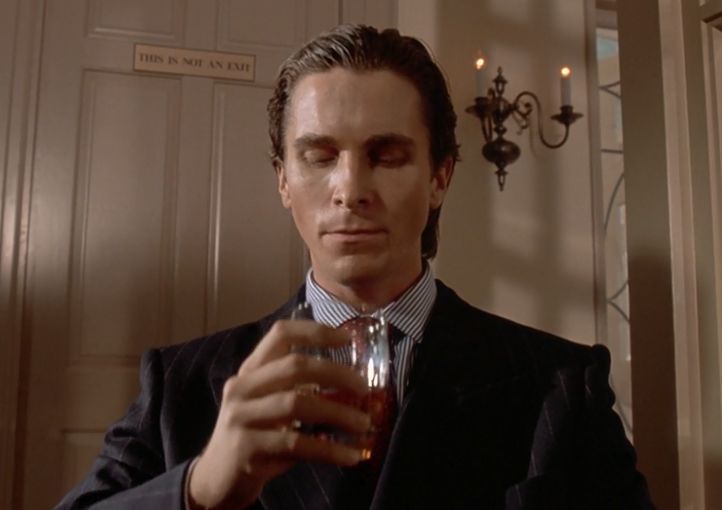
The novel ends with the words, “this is not an exit,” which is a reference to Jean Paul Sartre’s No Exit. The theme of No Exit is about control and a sense of self. Sartre believed the freedom to make our own choices is the only meaning of our existence and if we allow ourselves to believe that others have power over us, we deny our own existence. Sartre depicts hell as a locked room at the end.
By using these references, Bret is telling the audience from the start that what we are about to read is deceitful. Most of Patrick’s monologues are written in an exaggerated, detailed, and absurd tone that it’s hard to believe this character could ever exist. Or he does exist, in his own locked room in hell. In his non fiction book White, Bret explains American Psycho is “the collective sensibility of consumerist yuppie culture seen through the eyes of a deranged sociopath with a tenuous grip on reality.”
American Psycho was published in 1991 after much controversy. For the plot, Bret uses satire to convey his own struggle with consumer culture. Earlier I mentioned Joan Didion as an inspiration, but for this novel I would compare it to Tom Wolfe’s The Bonfire of The Vanities. Tom was also known for his scathing societal commentary. I have to admit, even though some of the chapters are extremely graphic and violent, the book is really not about violence. It’s an analysis of a yuppie.
In White, Bret looks back on his career and reflects on Patrick Bateman. He claims the older he gets the more he realizes Bateman’s yuppie despair was based on his own anger and frustration of the time he created him. Bret began writing American Psycho in 1986. He was in his mid to late 20’s living in New York outlining a novel he initially planned to be a third part of a trilogy. Less Than Zero and Rules of Attraction would complete it. It was a conventional story of a young man who works on Wall Street set in the late 80’s centered around Manhattan. During his late 80’s research, Bret immersed himself in the world of Wall Street bankers. He spent time with them and observed them as they dined at the latest restaurants, wore the best suits, tanned at prestigious salons, dated the most beautiful women, and lived in a constant chase of image and prestige.
Keep in mind, American Psycho takes place in 1987. The same year Gordon Gekko would have lived and thrived. The same year The Bonfire of The Vanities was published. Bret’s 1980s world is a decade of excessive wealth, abundance, drug use, and overall privilege.
“American Psycho was about what it meant to be a person in a society you disagreed with and what happened when you attempted to accept and live with its value even if you knew they were wrong. Delusion and anxiety were the focal points. Insanity crept in and was overwhelming. This was the outcome of chasing the American Dream: isolation, alienation, corruption, the consumerist void in thrall to technology and corporate culture” – Bret Easton Ellis, White
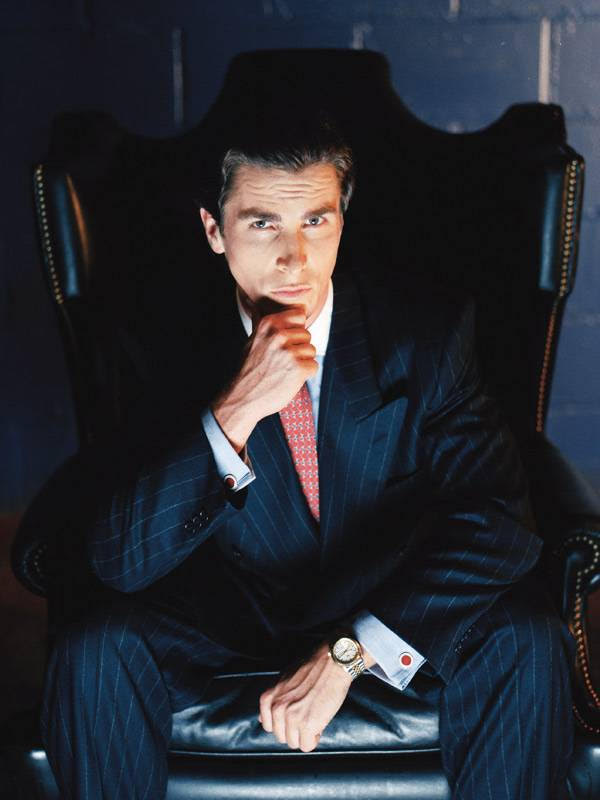
There is a consistent theme in the plot, questioning the reality of what the reader is reading. Of whether the story is happening, happened, or is a dream. When asked, Bret confessed he didn’t know and decided it didn’t matter anyway . Patrick Bateman is telling the reader constantly that he questions his own existence. But all of those moments and confessions are lost in the gruesome backdrop of violence and absurdity. An intentional literary device.
Patrick Bateman could never be a real person. He is a nihilistic black hole who consumes endlessly on music, beauty products, success, and fashion. And it is never enough. So he turns onto others. He has no human limits making him a concept rather than an actual character. He even admits it to the reader:
“there is an idea of a Patrick Bateman, some kind of abstraction, but there is no real me, only an entity, something illusory, and though I can hide my cold gaze and you can shake my hand and feel flesh gripping yours and maybe you can even sense our lifestyles are probably comparable: I simply am not there.” – Bret Easton Ellis, American Psycho.
THIS IS NOT AN EXIT
Writing his latest book White, Bret was able to reflect on his past novels and himself. This style of observational writing dominated The Car album. On Arctic Monkeys’ debut album, Whatever People Say I Am, That’s What I’m Not, Alex’s observational writing was almost abrasive in his critical narration of the world he was immersed in, his youth. The last two albums saw a return to his youth, but it was gentler. He retreated back into his memories to break down his relationship with fame, the industry, and life in LA. Bret found peace writing about Patrick Bateman years after the novel was published.
Patrick Bateman’s mantra of wanting to “fit in,” was always present in Alex’s writing as well. In the John Cooper Clarke documentary, Evidently…John Cooper Clarke, Alex confesses that he was a typical teenager, “trying to be cool and not interested.” Although his tone on the debut album is critical of the generation he belonged to, there was a lingering sense of insecurity and doubt of whether he fit in with the crowd. That same struggle of fitting in is amplified in the The Bourne Identity and in most of the lyrics on Tranquility Base Hotel and Casino and The Car albums
I WANT TO FIT IN
During 1991 and the controversy of the book’s release, Bret left a lot unanswered about Patrick Bateman. In White, he admits that Patrick has always been a reflection of him: “We shared an illusory and distant relationship with a world that appalled us, yet we both wanted to connect with it. We felt disgusted by the society that had created us, as well as a resistance to what was expected of us.”
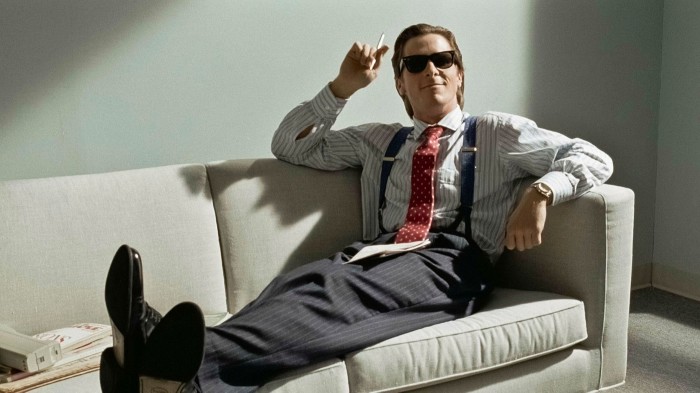
“I want to fit in,” Patrick Bateman says in the book. Bret was referring to himself. Even though Bret disagreed with the superficial gender roles and the consumer conventions of society forced on him, he still wanted to fit in. Bret’s duality and struggle to conform, steered him to channel the “worst version of himself,” into the concept of Patrick Bateman.
THE GHOST IN THE BACK SEAT
I just wanted to be one of those ghosts
You thought that you could forget
And then I haunt you via the rear view mirror
On a long drive from the back seat
In White, Bret is very open about the legacy of Patrick Bateman. He describes Patrick as a ghost.
The haunting comes from the many questions fans would approach him with. Almost all Bret interviews bring up American Psycho and Patrick Bateman. He can never escape him.
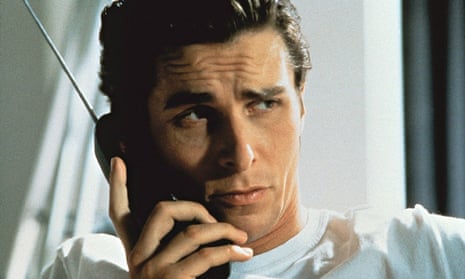
They want to know where Bret would place Patrick in our modern society and what Patrick would be like in 2024, in an age of surveillance and social media. These questions have become more prevalent with the recent resurrection of Patrick Bateman as an idolized totem of masculinity. An icon of masculine narcissism, Patrick Bateman inspired a cult following who feasted on the ingredients but didn’t understand the recipe. The book and the character are relentlessly misunderstood.
Bret birthed the concept of Patrick Bateman from the societal conventions he was trying to understand, possibly manipulate, or completely abandon.
When I sat down to write this article, I watched every Bret Easton Ellis interview. Even while promoting other books and projects, Bret couldn’t seem to escape Patrick Bateman. The questions would always sink back into the cult following of this novel and film.
“How strange it was to see the embodiment of my youthful pain and angst morph into a metaphor for the disruptive greed of an entire decade” – Bret Easton Ellis, White.
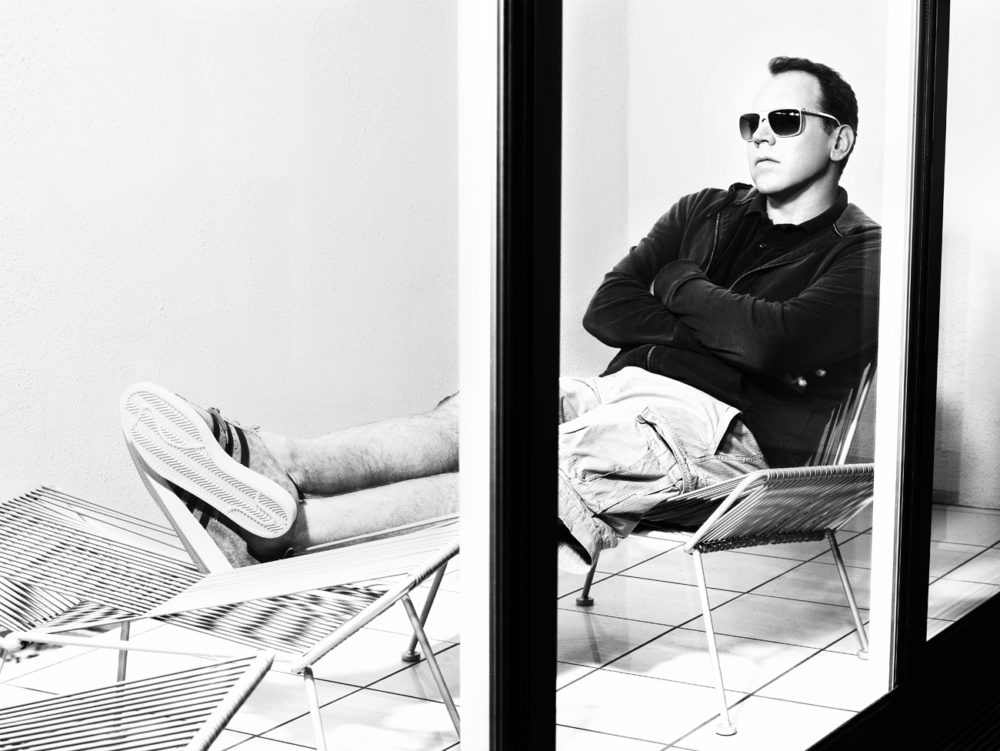
Patrick Bateman was created as a reaction to Bret’s isolation and inner struggle with the society he was exposed to. Our cult celebration of Patrick was not his intention. In White, Bret writes about his frustration in how his audience singled out a few lines from the full narrative of American Psycho. He writes, “I was trying to paint with those colours and with that brush, and I felt the explosions of violence were necessary to my vision.” Similarly, In Sculptures of Anything Goes, Alex sings: “Guess I’m talking to you now. Puncturing your bubble of relatability, with your horrible new sound.” This is addressing how the audience interprets them. How, like with Bret, the audience single out certain lyrics or songs while ignoring the full body of work.
The theme of wearing masks, surveillance, and playing roles, dominated The Car album. Alex hid behind the mask of the artist, director, narrator, and a ghost of his past. Bret did the same by creating Patrick Bateman as a reaction to the society he found himself in. In White he writes: “What was this society that allowed me to flourish? Why didn’t I trust it? Why did I want to escape it?” This is parallel to Alex’s lyrics on Big Ideas. The clash and duality between the artist and the entertainer.
Bret’s constant press reminder of what the audience deemed his Magnum Opus, is also very reminiscent of The Car’s press tour.
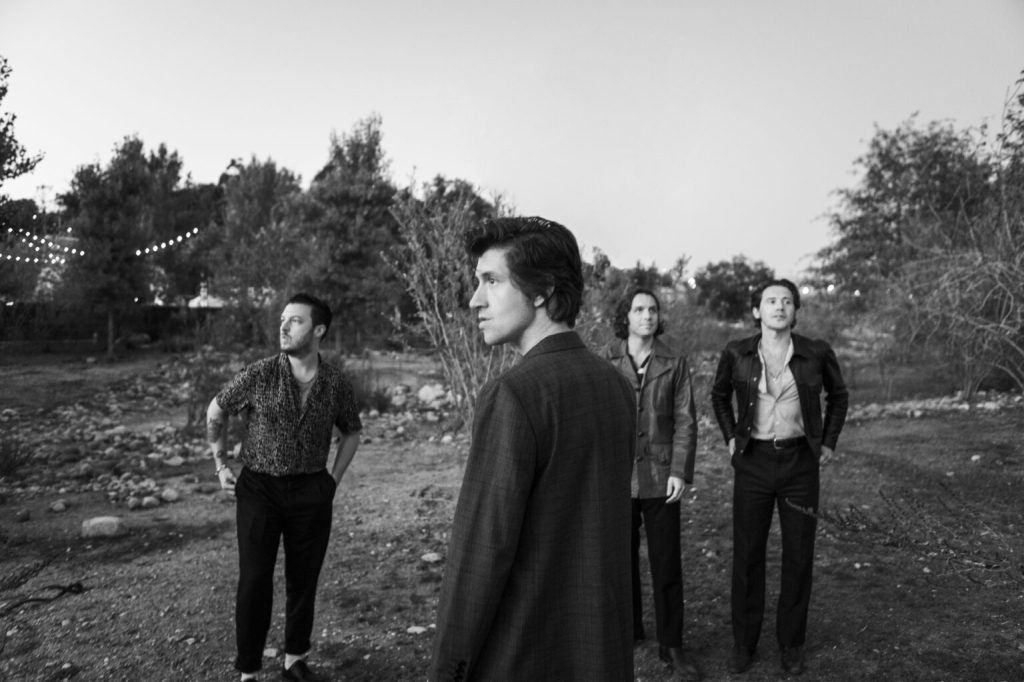
I think I rolled my eyes and sighed on behalf of Alex Turner throughout every interview I consumed. The questions were focused on their earlier sounds in comparison to The Car. I found the timeline comparison inane considering Arctic Monkeys haven’t sounded like their debut since Favourite Worst Nightmare.
Humbug was considered the turning point. The fanbase was divided over its sound which many disliked. Suck it and See was a hodgepodge of sounds both past and present. AM, to me personally, will always be the most striking contrast. Aesthetically, I didn’t recognize Alex Turner. The sculpted hair, the bedazzled blazers, the stage presence. Even with footprint sound and consistent rock elements, the band morphed themselves into an alternate reality. Tranquility Base Hotel and Casino and The Car’s linear release felt like a direct impact from The Last Shadow Puppets.
So it was absurd and frustrating to watch Alex almost lazily answer questions about the band’s origin while promoting an album just as unique and different as the many prior. The nostalgic questions dominated most interviews, similar to Bret’s book tours. I wonder if that’s why the band didn’t do much press with this tour. Aside from the King’s Theatre show, the magic fizzled.
Just like Bret, Alex could not escape being asked about the fan favourites, which he’s visibly outgrown with the way he sang the band’s earlier hits. Wanting to fit in isn’t a quality Alex seemingly set out to conquer, but it is the unfortunate measure of commercial success.
I believe Alex’s ghost is a version of himself he has outgrown but the fans and the media won’t allow him to move forward.
His ghost lives in two albums: Whatever People Say I Am, That’s What I’m Not and AM. If you’re a fan of the band you know there are two kinds of die hard fans: the ones who have been committed since the debut, and the ones who discovered them at the height of their successful and mainstream album, AM. The ghosts living within these albums follow him everywhere he turns in his career, whether it’s in interview questions or when making setlists to appeal to a large fanbase.
But, I think there is hope with the upcoming 8th album.
Bret was able to make peace with his ghost Patrick Bateman in his non fiction novel White. Why? Time. He was able to sit down, and write about his youth. He was able to reflect as a wiser, older man.
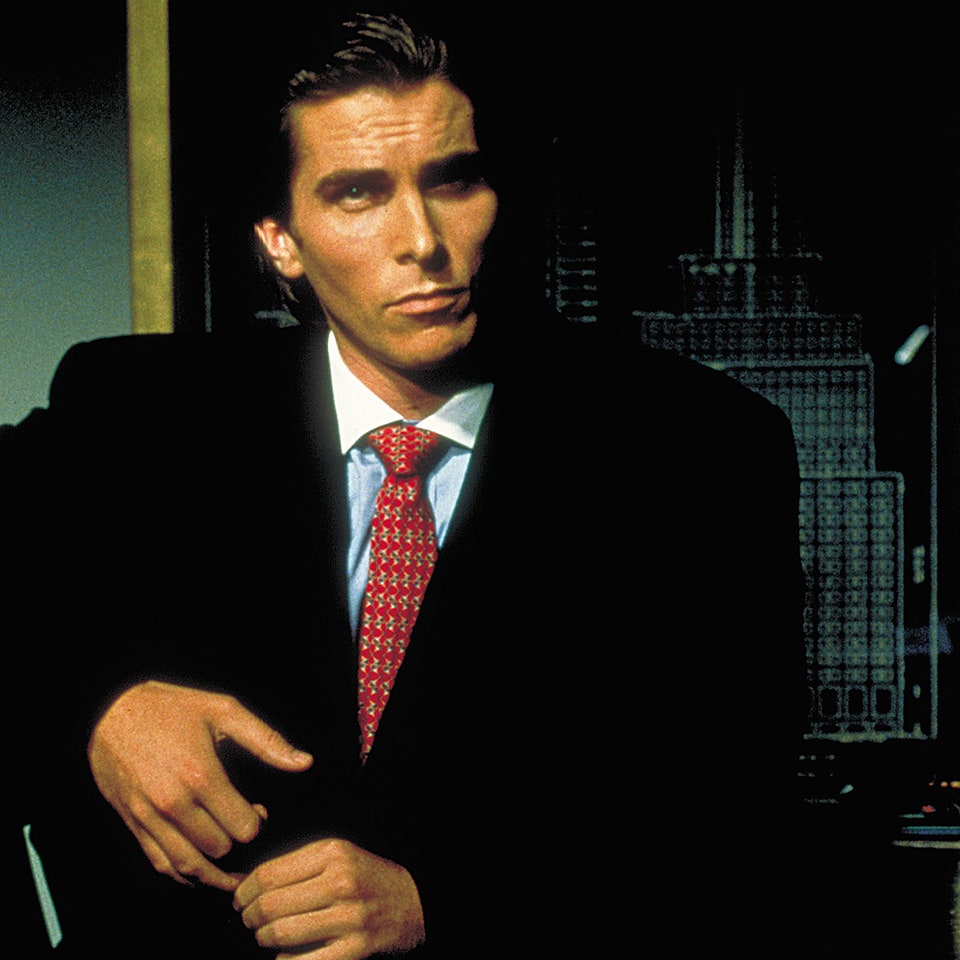
“Like many characters a writer creates, Patrick Bateman lives on without me, regardless of how close we became during the years I spent writing about him. Characters are often like children leaving home, going out into the uncaring world and being either accepted, ignored, extolled, criticized, no matter what the writer might hope for. I check in with him every now and then.” – Bret Easton Ellis, White.
I truly believe Arctic Monkeys can apply the same method of reaction writing Bret addressed in White. The 8th album will be a response to the fame and self indulgence found in the industry, and also a reminder that the band plans on moving forward. With or without you.
Personally I believe Tranquility Base Hotel and Casino and The Car are Alex Turner’s most honest reactions to the band’s standing in the music industry and their experience with “celebrity” and fame. I just don’t think he’s made peace with the ghosts that he can’t shake off.
The Impact of Fandom Culture
Patrick Bateman’s void is filled with material things. A visually curated lifestyle with one hell of a warning. What Bret meant as satire got lost among the cult following of Patrick Bateman.
This is something I witnessed in the fandom of Arctic Monkeys through social media fan accounts. The aesthetic and concept of the entertainer overpowering the artist and the music.
And like Bret, Alex is very aware of the hypocrisy and the culture vultures. In Batphone we feel a glimpse of that in the lyrics, “life became a spectator sport. I launch my fragrance called integrity. I sell the fact that I can’t be bought.”
I would argue this awareness has always been present with the band, which is why their interaction with the media and fans outside of concerts and scheduled press, is non-existent.
In a 2019 interview titled “Freedom of Speech in The Digital Age”, Bret claims he’s never cared what people thought of his work which is why he felt free to make commentary and write about his youth while observing and judging the youth around him: “ Judging is in all my books, it’s my aesthetic, an outsider judgmental quality. But I also implicate myself.”
Whatever People Say I am, That’s What I’m Not, ultimately is a narrative of “outsider judgment.” Alex also implicates himself as a by-product of his rebellious youth in many of the lyrics on the debut album. It comes off abrasive, but it’s quite vulnerable.
SOUND PREDICTION
NEW WAVE
The entertainment scene of the 80s is often associated with big hair bands, tacky pop songs, and John Hughes. And although this is reflected later on, my focus will be on the origins of New Wave music and the earlier years of this decade.
To understand New Wave, I have to talk about the genre’s origin but not necessarily its definition: punk.
Punk emerged in the 70s as a reaction to mainstream rock. It was a raw sound defined by fast drums, loud vocals, and one universal message: nonconformity. The scene was often unwelcoming and non inclusive. The music carried an aggressive anti establishment message which banned it from radio waves making it harder to reach a broader audience. And because of its non commercial appeal, it couldn’t grow beyond its underground dwelling.
New Wave was a term introduced by radio stations and music venues as a solution for bands carrying aspects of punk sound, or that didn’t quite fit into other genres. The umbrella term helped alleviate the negative connotations punk carried. It reminds me of Don Draper’s famous line on Mad Men, “if you don’t like what’s being said, change the conversation.” Giving punk a new label did just that. New Wave is a hodgepodge of sounds that weren’t deemed marketable. It allowed bands to receive exposure without affecting ticket sales. New Wave was able to reach impenetrable consumers, especially in the more conservative American scene.
New wave music is characterized by its catchy melodies and extensive sound. It features synthesizers, drum machines, and electronic effects, creating a futuristic and avant-garde sound.
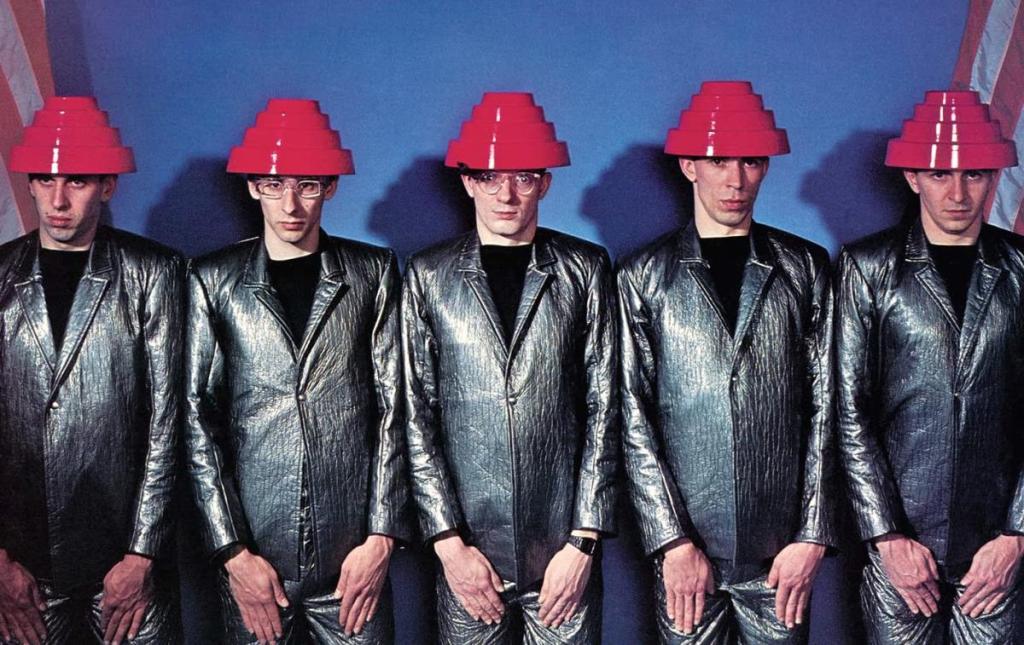
With New Wave came a sense of lyrical and sonic freedom. Bands and artists who embraced this genre found freedom in the unlimited emotions to explore. Whereas punk didn’t provide room beyond its confrontational nature and narrative.
The sound of this genre was heavily focused on creating catchy “hooks”. Synthesizers were able to capture this and create a new tone. Technology impacted the process of music production.
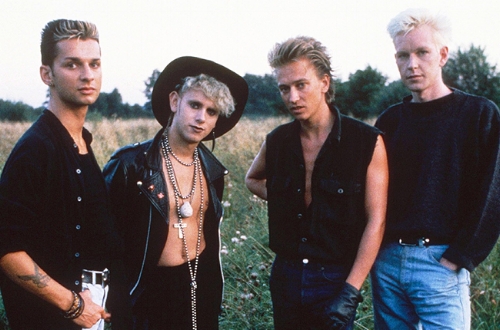
Of course, there were drawbacks. The production of music wasn’t entirely organic anymore. There was a growing sense of disconnect with a doomed outlook on the future, almost apocalyptic in nature. The hovering notion of a technological takeover posed a threat to the industry and authenticity.
The move away from counterculture rebellion gravitating into the mainstream produced a culture of disconnect. Not every punk band was a fan of the new movement into the mainstream:
“New wave it’s pussyfooting, Cant go away there but wants to go all the way there, but hasn’t got the guts to go all the way. New wave made us vomit on the floor.” – Joe Strummer, The Clash
In my album predictions for The Car, I mentioned retro futurism. I was blown away to see it come true on the album with Sculptures of Anything Goes. The song starts with an unsettling industrial beat that builds toward a gothic synthesizer. The dystopian tone is felt throughout the song with accompanying cryptic lyrics.
Regardless of the disconnect, incorporating synthesizers allowed bands to play around with samples and sounds, producing layered textures. Music was given a visual landscape where one can see the music, not just feel it.
SYNTH
Although synthesizers didn’t become widely available until the 80s, they did revolutionize the sounds of the 60s and 70s.
Before The Car album was released I wrote briefly about Del Shannon and the impact of synth pop and how I thought it would impact the sound of the album. Del Shannon’s Runaway had the first ever pop synth instrumental break created by the Musitron (fun fact: Arctic Monkeys teased a verse from Del Shannon’s Runaway during the 2023 tour).
Synth pop was all about the manipulation of sound and the reconstruction of tradition. It’s about technology, new ways of utilizing it, almost fusing our own human vocals into it. The pioneers of electronic music sounds are mostly accredited to Delia Derbyshire, composer of 60s Dr Who’s theme song, and Wendy Carlos, composer of the intro theme to A Clockwork Orange and the Tron film score. The sounds produced embody both dystopian and futuristic elements.
The Moog opened the door to the mainstream. In 1964, Wendy Carlos, music and engineering student, met Robert Moog and helped him fine tune the prototypes of his Moog synthesizer.
From there the 60s would see a variety of synthesizers change the course of the decade. By 1973 synthesizers were common in the rise with the popularity of Pink Floyd. Synth became a staple but not enough to break through the pop scene. They were still viewed as an avant-garde tool.
NEW PIONEERS
Two of the biggest pioneers of this genre are credited to Brian Eno and Kraftwerk.
Kraftwerk are credited as the trailblazers of electronic music. This embodies elements of electropop, synth pop, and house music. Their innovative sound boldly broke down the boundaries of music.
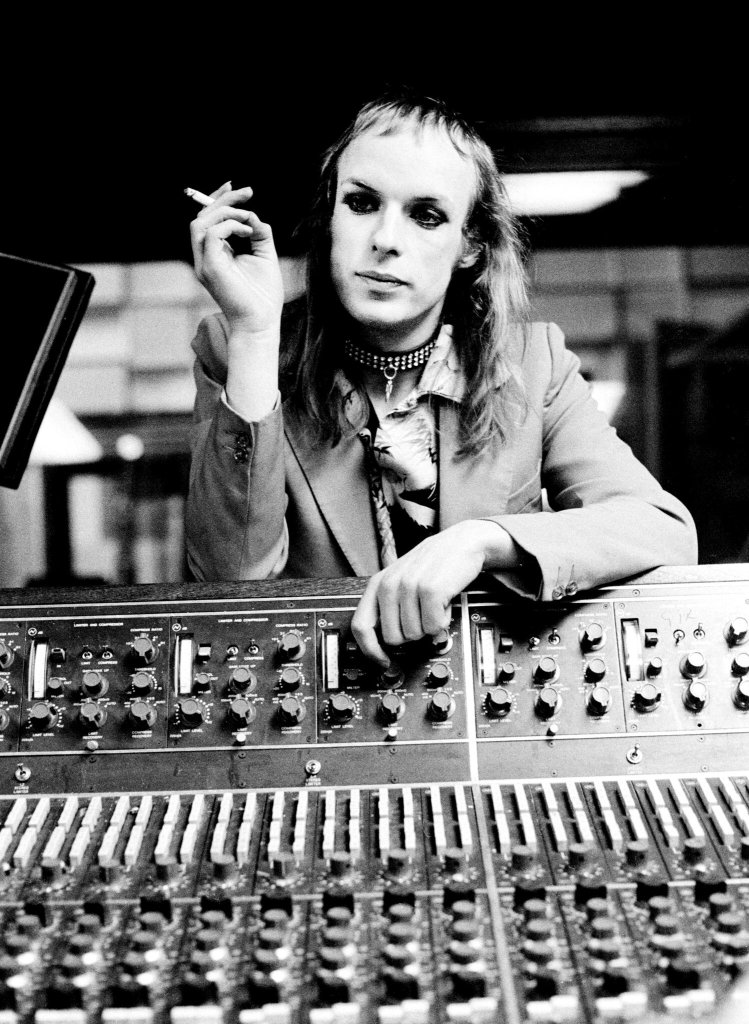
Brian Eno is credited as a pioneer of electronic music. Aside from being a founding member of Roxy Music, he’s helped produce a lot of bands throughout the decades. Brian collaborated with David Bowie on his 1977’s Berlin Trilogy. The Berlin Trilogy consists of three studio albums: Low, Heroes, and Lodger (1979). The trilogy is influenced by Brian Eno’s experimental sounds and Krautrock (experimental rock music emerging from Germany which was a fusion of psychedelic rock, avant-garde composition, and electronic music).
“We created a powerful, anguished, sometimes euphoric language of sounds. In some ways, sadly, they really captured, unlike anything else in that time, a sense of yearning for a future that we all knew would never come to pass” – David Bowie on Brian Eno.
THE SOUND OF THE FUTURE
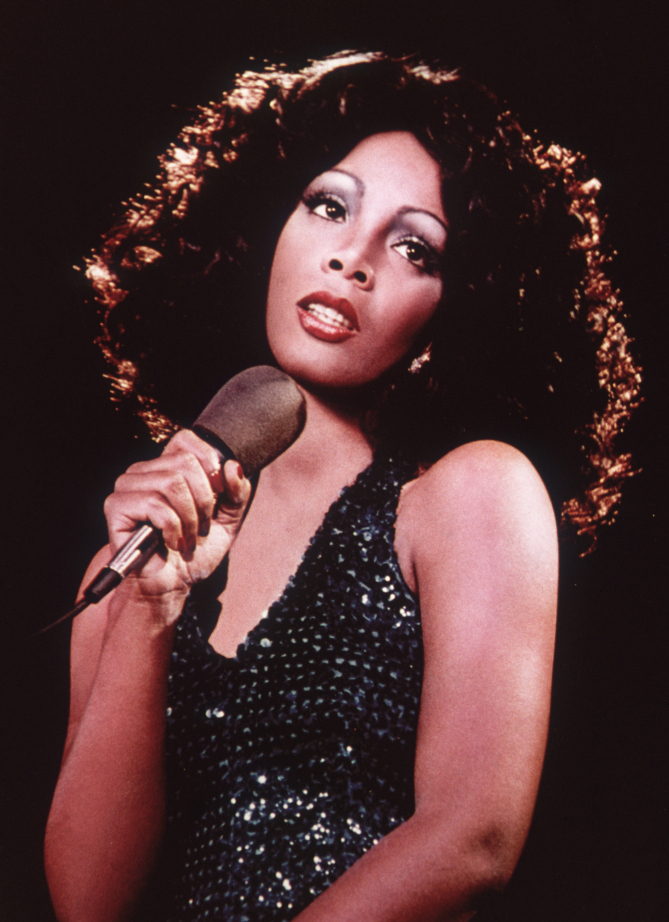
Pop music also experienced a groundbreaking shift. In 1977 the club scene was changed with the sound of Donna Summer’s I feel Love. Donna wanted a futuristic sounding song. Most of the song was created and written on a Moog Modular 3p synthesizer, a shift away from disco production. In fact the only authentic sound on the song was Donna Summer’s vocals and the kick drum. Not only did the song become an instant hit but it laid the foundation to many genres like house, techno, trance, dream pop, New Wave, and electronic music.
In 1979, Gary Numan would take the Minimoog and the Polymoog synthesizers further by creating sci-fi futuristic soundscapes. His hit song Cars paved the way for other pop groups to experiment with sounds and break through mainstream radio. The Buggles, New Order, Tears for Fears, Pet Shop Boys, and The Human League are just some of the many bands who influenced the scene.
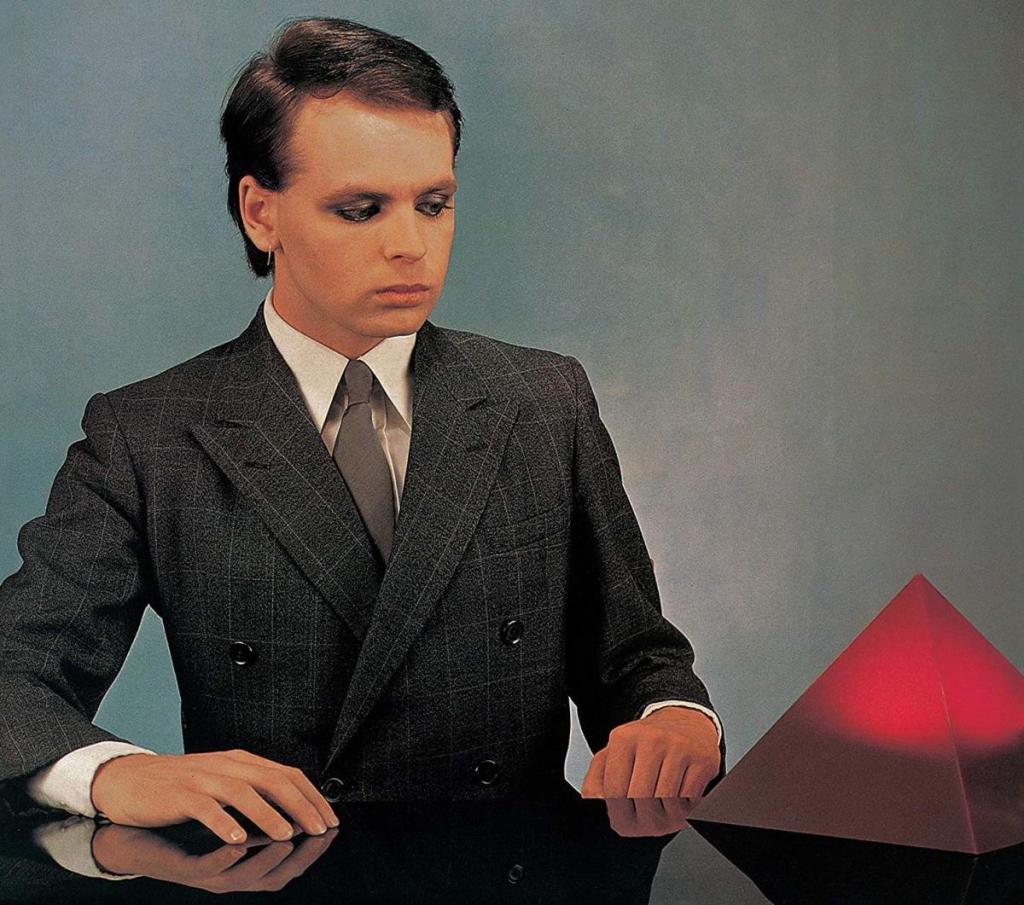
The production and fusion of sounds exposed bands to the commercial mainstream world. Down the line subcultures and subgenres of New Wave were also created for those who felt alienated from the mainstream. Bands like The Smiths were more guitar based and dominated that scene.
DARK WAVE
Synthesizers and the sound they produce are also associated with space rock and dream pop. Specifically Dark Wave, a subgenre of New Wave. This subgenre navigates through a more gloomy sound, a melancholy post-punk sound. It carries slower tempos and minor keys. This includes bands like Bauhaus, Cocteau Twins, Joy Division, Siouxsie and The Banshees, The Cure, and Depeche Mode.
We already got our peek into Dark Wave on The Car album with Sculptures of Anything Goes.
Sculptures of Anything Goes not only became a fan favourite, but was also the show opener and the band seemed to enjoy playing it live.
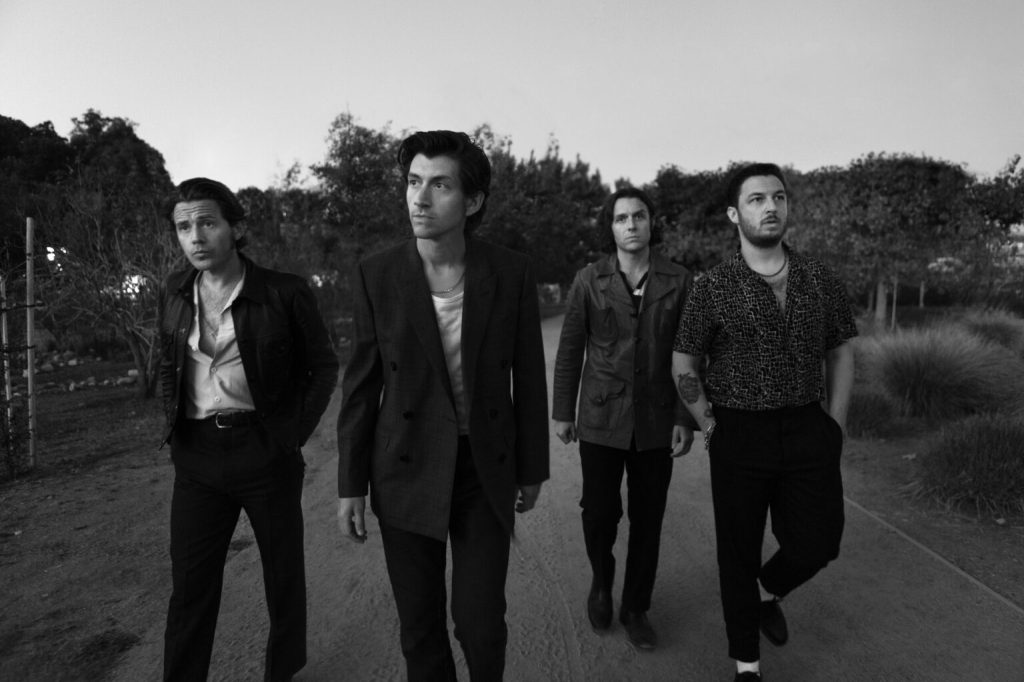
I believe the tone of this song will be the overall sound of the next album. And I think this was all evident. The Car tour’s aesthetic included retro futuristic inspired stage lights and design, and a lingering theme of a dystopian future in an Orwell/Huxley world with the use of the standby signals and the giant lens. I think the band will continue experimenting with various synthesizers and I do believe there will be a dominant focus on the visuals in the record’s storytelling.
AESTHETIC PREDICTION
Lights! Camera! Turner!
With synthesizers moving away from avant-garde artistic platforms and into the mainstream, they became the backbone of atmospheric commercial melodies. The stumbling block of their “plug in” formula was their appeal to less talented and more generic bands. The movement was struggling between authenticity and commercialism. Bands didn’t need to be talented to use these new sounds to create a hit. The focus was taken off the message and put into the aesthetic.
New Wave fashion played a vital role in shaping the commercial values of artists as well. The fashion statements were more experimental, fun, with a hint of punk, but light hearted.
In other words, there was a shift away from the message and a focus on the aesthetic. Looking at the past two Arctic Monkeys tours, there are a few things to note. Alex became more interested in film production and film in general. Whether with band related material or in his personal life, he felt comfortable stepping into the director seat.
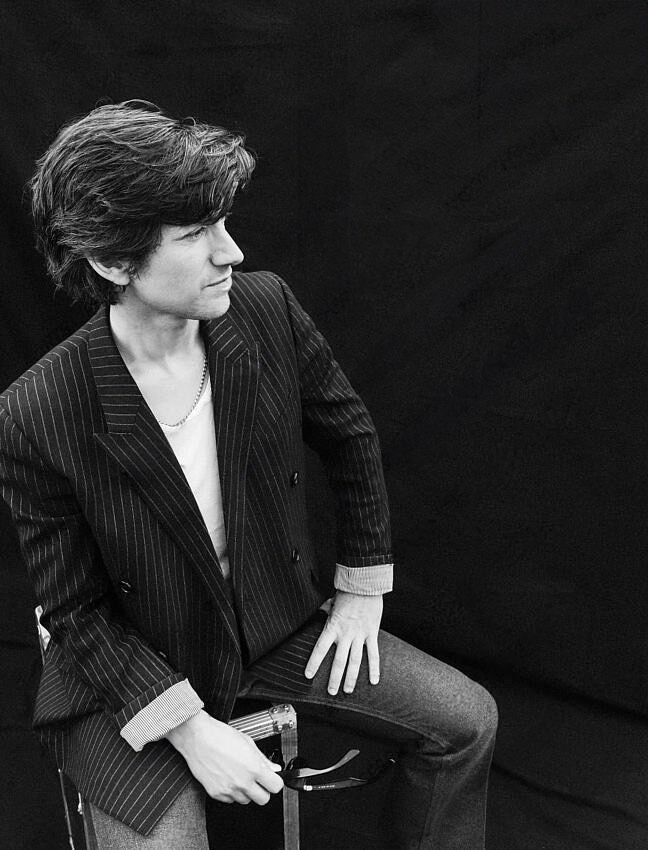
Videos like Four out of Five, Tranquility Base Hotel and Casino, Body Paint, Sculptures of Anything Goes, and There’d Better Be a Mirrorball borrowed from films both foreign and award winning. Themes of cinema, even if not visualized, were mentioned and played out through the tour. The 2018 and 2019 on stage cube reminded me of the Kubrick monolith, and the portal (lens) of The Car tour reminded me of either a camera lens (theme of surveillance) or the Stargate film portal (a nostalgic time travel). Alex also directed his girlfriend’s videos. His enthusiasm is only beginning.
This itch will stretch far beyond his directorial debut. I think there will be a continuous narrative between the lyrics and visuals on the 8th album. And I don’t mean they will necessarily be dependent on each other because this is still a band and music is the foundation, but I have a feeling the visuals will intentionally draw attention to the writer’s lyrics. Alex has never been one to simply tell you what the song is about. I think with a focus on the aesthetic counterpart, he’ll expose his writing freely.
THE AGE OF MTV
The idea of relying on visuals to deliver a narrative was born at the height of New Wave. MTV launched on August 1st, 1981 at exactly midnight. It revolutionized the music industry. It was the first music channel to air music videos and music related programming for 24 hours a day. An endless barrage of music.
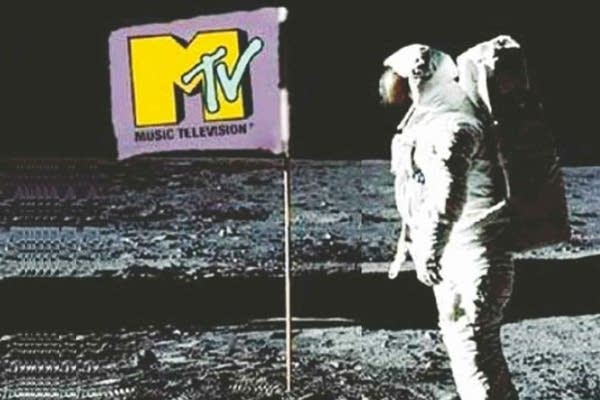
The first music video to play on MTV was “Video Killed The Radio Star” by The Buggles. It was the first New Wave video to air on MTV. The band’s success following the video release revealed the potential impact MTV could have on the music scene.
The narrative of “Video Killed The Radio Star” was based on “The Sound Sweep,” a science fiction story by J.G. Ballard. It’s about a mute boy who vacuums sounds in a dystopian future. The machines of this world create melodies destroying traditional music before it. The story warns of the rise of technology and its negative impact on culture. It reminds me of the image of Alex vacuuming in Tranquility Base Hotel and Casino.
“It came from this idea that technology was on the verge of changing everything. Video recorders had just come along, which changed people’s lives. We’d seen people starting to make videos as well, and we were excited by that. It felt like radio was the past and video was the future. There was a shift coming.” – Trevor Horn, The Buggles.
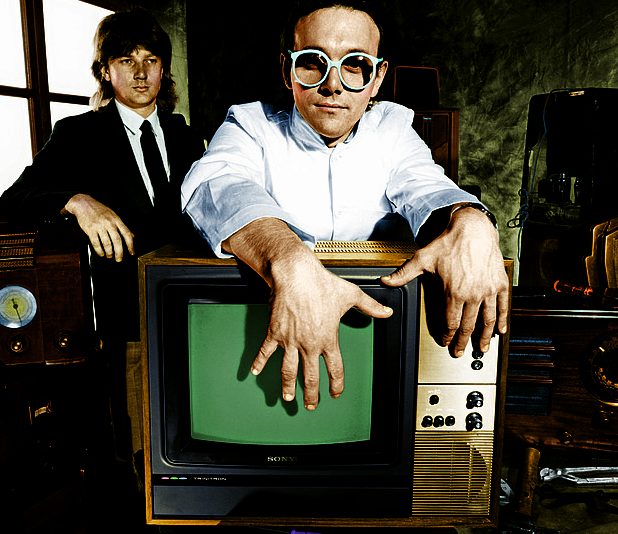
MTV was a Fusion of film, art, sound, and technology. Bands were presented with a new medium to break away from boundaries, and possibly themes they couldn’t convey over the radio. Bronski Beat’s Smalltown Boy is a song about the struggle and alienation of the gay youth. The message wasn’t conveyed in the lyrics, but the music video delivered that narrative.
The video recontextualized the music.
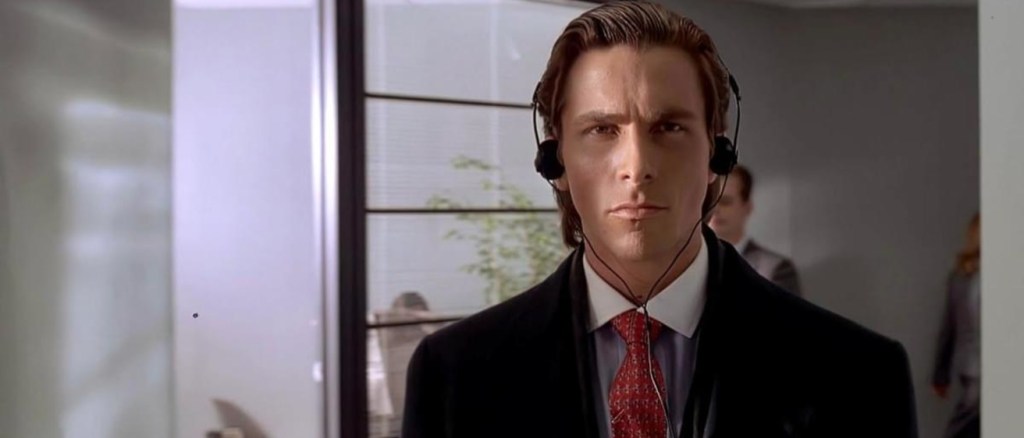
And MTV wasn’t the only revolutionary tool supporting the shifts of the musical narrative and the sounds of the future. The Walkman paved a new way of cultural behaviour.
THE 8TH ALBUM
In an earlier article, I linked Alex Turner’s writing on Humbug to empirical philosophy, where our understanding of the world comes from direct sensory experiences. I think it’s safe to say we don’t live in that world anymore. We live in a digitized world.
We are removed from our direct interaction with our sensations. It’s not as consistently organic as before.
And because we’re creatures desperate for love and communication, the reduction of direct sensory experiences can send us spiraling into isolation, depression, loneliness, and numbness.
These are the themes found in Bret Easton Ellis’s world.
Bret often warns the readers of how immune we are to numbness that we hardly notice its impact on us. Detachment becomes part of our daily function making us apathetic and narcissistic.
Alex hid behind a lunar and movie set themes to write about the emptiness and detachment of LA, the drawbacks of the industry, and commercial success. Will he take on the form of a Bret Easton Ellis satirical yuppie prototype to infiltrate and confront the dark side of Tinseltown’s privileged in his lyrical guillotine?
In closing, I predict a return to 80s New Wave music and I believe Arctic Monkeys will invite us to take a ride back to the future, into Bret’s 1980s Los Angeles. Into the world of the blind folded privileged, walking the plank of LA freeways. The lyrics and theme of the 8th album will be a commentary of their pervading numbness, curated by the soundtrack of atmospheric synthesizers.
Welcome to the age of indulgence and critique of conformity, privilege, and apathy.
Turn off the radio, tune into the music videos.
 SPANGLED CAVERN
You must be logged in to post a comment.