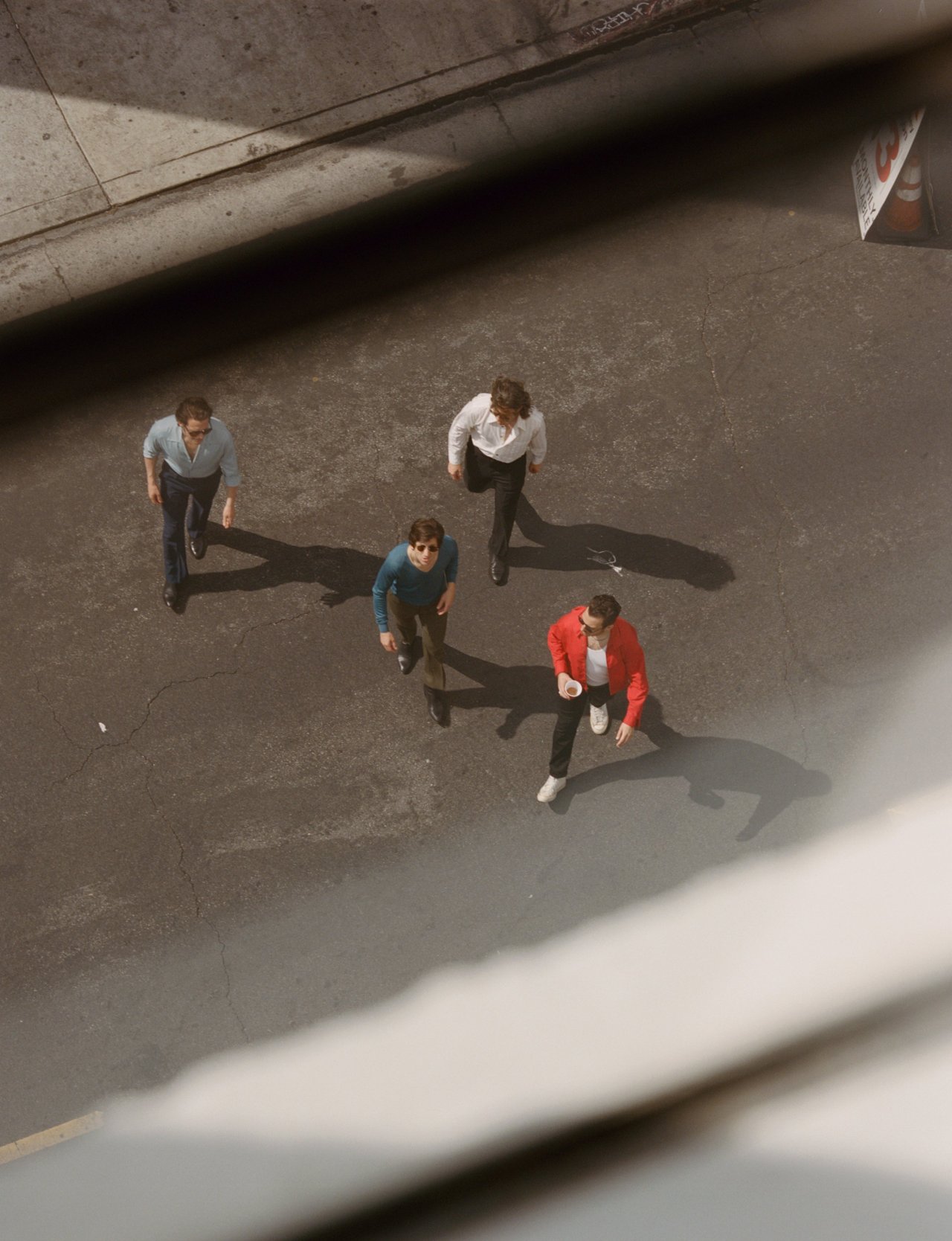
A year before The Car was released I tried to predict its upcoming theme and sound, solely for my own entertainment and escape from the daily mundane. We didn’t have any clues or ideas as to where the band was headed, so I played off the previous album and the state of the world around me. I pondered themes of isolation, paranoia, and dissected the microcosm of Alex Turner’s writing and interests. My predictions landed on possible themes of Foucault, surveillance, more French cinema and a general critique of Hollywood, LA noir, Nixon, and retro futurism.
What started off as a fun project became an eerie accurate prediction, down to the giant stage lens which at the time I called a portal.
Now maybe I got lucky because I’ve been a fan for almost two decades, and maybe I’ll never be right again. But whether I could land on gold again and be right or wrong, I simply enjoy this process of writing, researching, and piecing the puzzle. I end up learning something new and I get to fall in love with my favourite band all over again.
So here I am doing it again! For the 8th album, I’ve landed on two possible predictions: 1. A return to the sound of 1967, The Summer of Love, or 2. A New Wave album and a return to the sound between 1976 moving into the 80s. I’ve concluded this by drawing clues from three songs: The Car, Body Paint, and Sculptures of Anything Goes.
Sculptures of Anything Goes, embodies the dark, avant garde, and brooding sound and aesthetic of New Wave music. The video production echoes the 80s and the rise of music videos, specifically the launch of MTV in 1981. Alex Turner has been vocal about his interest in filmmaking which will be a recurring theme. I will leave that to another article, a second prediction and direction of sound which I think could lead the band into the 80s.
For this article I will be examining my first prediction, a return to The Summer of Love.
INTRODUCTION
“No sympathy for the devil; keep that in mind. Buy the ticket, take the ride…and if it occasionally gets a little heavier than what you had in mind, well…maybe chalk it up to forced consciousness expansion: Tune in, freak out, get beaten”. – Hunter S. Thompson, Fear and Loathing in Las Vegas.
And that is exactly what Hunter did. In his novel, Fear and Loathing in Las Vegas: A Savage Journey to the Heart of the American Dream, his alter ego, a journalist named Raoul Duke, is hired by Sports Illustrated to cover a race in Las Vegas. Duke hits the road in his red Chevrolet convertible, a true American classic. He rides with his attorney, Dr. Gonzo, from Los Angeles to Las Vegas in search of the American Dream.
The American Dream is an ideal assumption that hard work and gumption can help anyone prosper in America. Duke uses this assignment as a way to, on quote, put the “American Dream in action”. In Hunter’s novel, the American Dream is a reflection on a specific time period, the 60s counterculture and the rise and fall of The Summer of Love.
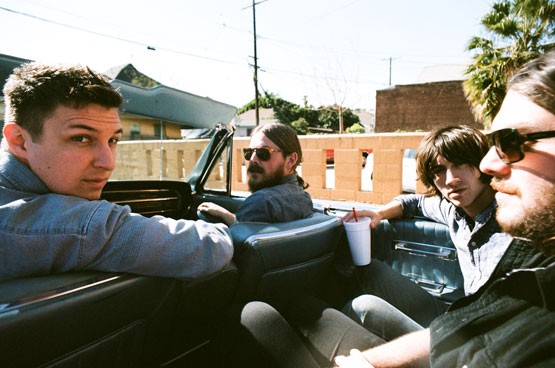
In 2011 Arctic Monkeys, lead by a shaggy haired Alex Turner, got in a classic American Cadillac (seen in the music video for DSDCIMYC and Black Treacle) in search of their own American Dream as they entered a new California chapter.
The band deviated from their existential search for meaning by releasing AM, the self reflective pause, the love letter. But in 2018, Alex put aside his leather jacket, threw out his hair gel, grew out his shaggy hair and scruffy beard, and exchanged the band’s Cadillac with a rocket ship. He toyed with new instruments, like the dials inside of a spaceship, and set course on a new route in search of what he’d never find: an escape, an ideal. And judging by the lyrics, he was exploring America and the fallen reality of the American Dream.
Alex used cinema and soundtracks to influence the sound and aesthetic of the lunar world. Unlike Hunter’s version of the American Dream, Alex took on the world of technological advancements. His lyrical narrative was inspired by themes of socially critical books he was reading and films he was watching. His own perception and critique of life in America, whether it’s the political or social realm, also leaked into the writing. The themes ranged from The Space Age of America, to the end of the 60s counterculture entering a new era of innovation.

Similarly, our current global news alludes to the main events leading to the 60’s counterculture movement. World wide protests, a pending world war around the corner, financial crisis, social change. The people of the world today are uniting against the status quo, forming their own counterculture. How can these current events not heavily impact today’s writers and musicians like they’ve done before? Music and film of the counterculture movement morphed into a soundtrack of the time. And I guess that’s the heart of this article. Trying to predict whether today’s events will encourage Alex Turner to revisit the lunar world’s writing process, and recreate or take inspiration from the music that reflected it.
For my first album prediction, I’ve concluded the next Arctic Monkeys album will reflect the sound and spirit of America’s 1967’s Summer of Love, and the narrator of the 60s counterculture movement, Hunter S. Thompson. I predict the lyrics will see less of Alex and the band, and more of the world around them. Much like the anthems of the time.
This isn’t a new concept for the band. Not only did Arctic Monkeys give us two albums that glimpsed into the tunes of the late 60s and 70s, but the parallels I found between Hunter’s counterculture critique and this upcoming album prediction goes all the way back to Tranquility Base Hotel and Casino.
In 2018, Alex Turner introduced us to his lunar World, Tranquility Base Hotel and Casino. He said in multiple interviews that he wasn’t sure where to start with the album, he didn’t have ideas before he sat down to write it. He turned to forms of entertainment to inspire him rather than help him escape from the process.
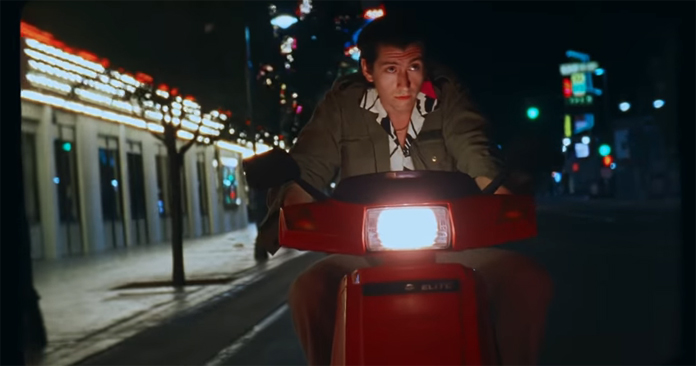
This is a common method. Artists and writers have always served as a vessel of the world. That’s why we turn to them when our external world is a mess, to help us channel what we can’t put into words. They’re the soundboard of the reality we’re collectively immersed in.
The politically charged, metaphysical lunar album rerouted Arctic Monkeys off course and into the age of exploration. Alex Turner took a note from America in 1969, a time of social, political, and technological change. He put down the guitar and sat at a piano. He left the realm of familiarity, and leaned into the unknown. Like an astronaut stepping out of his capsule and onto the surface of the moon.
“One small step for man, one giant leap for mankind.” What a line! You just know Americans were frothing at the mouth with that kind of ego bloating declaration. Regardless of America’s obnoxious patriotism, the world catapulted from that declaration into the new frontier.
Even though the musical influence on that album leans more towards the sound of the 70s, the lyrics embody a social critique of the late 60s’ paranoia and innovation hidden behind metaphors.
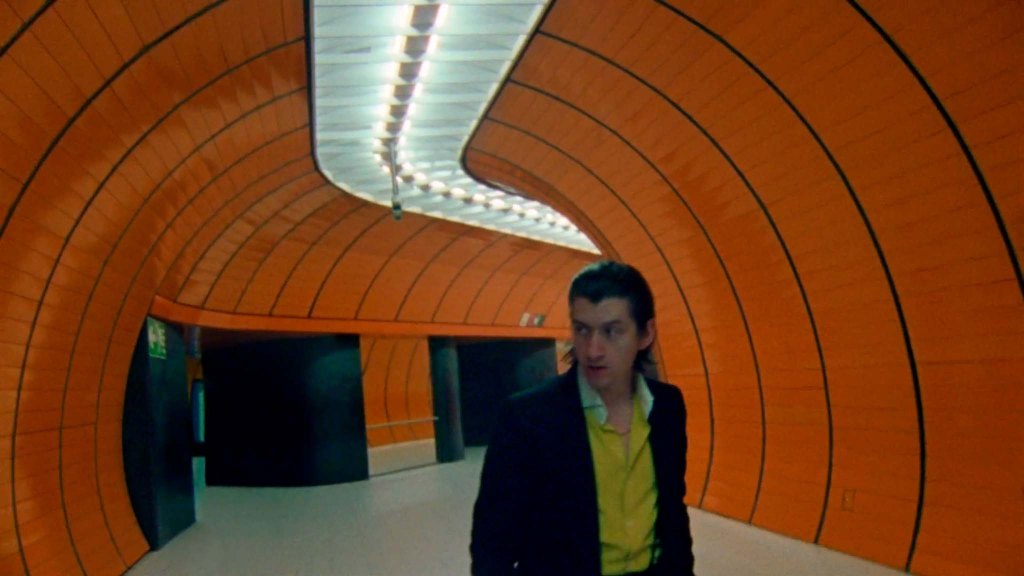
The world of Tranquility Base Hotel and Casino also echoes the sentiments of an important figure of the American counterculture movement, Hunter S. Thompson. There are many similarities between his book Fear and Loathing in Las Vegas and Alex Turner’s lunar world which I’ll break down later.
Hunter once wrote a letter to a friend who was seeking advice on life’s meaning. In part of the letter he writes, “ a man must choose a path which will let his abilities function at maximum efficiency toward the gratification of his desires. In doing this, he is fulfilling a need.”
In other words, don’t focus too much on the goal, but pick a way of life, a path, that makes you enjoy the process, or the function of that goal. The goal is secondary. He’s urging his friend to enjoy himself. I think we are about to see that reflected in the next album. A focus on sound exploration, sound composition, and lyrical freedom. More of the same stream of consciousness style of writing found in Tranquility Base Hotel and Casino, and less personal revelations.
Before I get into Hunter S. Thompson, let’s look at sound predictions.
SOUND
If you’re a fan of The Last Shadow Puppets, the sounds of the last two Arctic Monkeys albums mirror some of the tone. Personally I don’t think themes of a hotel complex on the moon or a cinematic turn were on my radar, however Alex’s diverse musical interest shaped the last two Arctic Monkeys albums. I find musicians who really enjoy their craft are hardly one dimensional when exploring genres to create their own work. You can hear influence as far back as the 50’s leaking into the 70s on the lunar album. The Space Age of the 50s, jazz and the lounge music impacting the 60s, influenced much of the album. Tranquility Base Hotel and Casino is lyrically layered, like Humbug. It’s also experimental in sound.
The band weren’t subtle in experimenting with different synthesizers that heavily exemplify the 70s genre. And just like the 60s, the music of the 70s didn’t shy away from themes of pivotal cultural movements.
I have a feeling we’re not departing from that sound or sentiment yet.
And we can see this on The Car tour’s closing number, Body Paint. In an interview with The Guardian, he said “.. it’s as much about the musical ideas as the lyrics,” when asked about the song’s meaning. Earlier I mentioned the quote from Hunter encouraging one to “enjoy the process” of the goal rather than the goal itself.
The live version of the song during the tour highlighted how much they enjoyed the process of music making. The live version changed slightly with every show. The solos got longer and the entire band gave their all for the closer. Far Out Magazine compared Body Paint to The Beatles’ “Cry Baby Cry”, from the White Album, which was actually the Beatles’ departure from their counterculture influence. In an interview with John Kennedy, Alex mentioned the band also enjoyed playing the title track, The Car. Another song I believe will impact the next album. The clue is in the instrumental break and the guitar solo.
And I don’t think we’ve seen the last of the Moog!
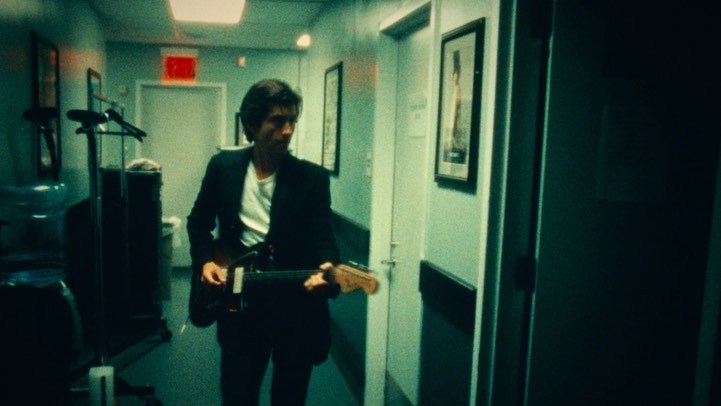
The Moog heavily impacted the counterculture anthems. In the 60s, The Monkees were the first band to record with the Moog synthesizer on their song Daily Nightly, released in 1967. The lyrics were impacted by narratives of the 60s counterculture. Other notable songs to use the Moog were The Doors’ Strange Days, The Beatles’ I want you (she’s so heavy), which Alex Turner covered with Miles Kane, Manfred Mann’s Earth Band’s Blinded by The Light, Paul McCartney and Wings on Jet, Pink Floyd’s Wish You Were Here, and Heart’s Magic Man.
As far as what I think the next album will sound like, I believe various synthesizers will continue to impact their music. If we are headed down this prediction, the next album could follow in the steps of Pink Floyd, Grateful Dead, The Doors, The Youngbloods, Cream, Hendrix, Byrds, Rascals, Animals, Otis Redding, and The Kinks just to name a few.
CURRENT EVENTS
You can’t escape the cries of revolution around the world today. It’s impossible not to be impacted by what’s happening around us. We’ve witnessed darkness before but never at this pace. Doom and gloom is at our fingertips. Some of us, like myself, are directly impacted by the never ending prejudice and devastation. Some can turn off the news and take a break. Then there are the poor helpless bastards, the ones who don’t have a clue. No matter your two cents, these events are taking place.
It’s hard to talk about world events without turning to the core catalyst: America. Whether we like it or not, America is the dictator of what we collectively consume as the war machine spins.
Times have changed, and we all see America for what it truly is. But there was a time when everyone longed for the American Dream. Specifically the ideal dream of the 1960’s counterculture movement, and The Summer of Love.

What is the 1960s counterculture movement?
Simply put, it was the “hippie” movement, the “flower power” children revolution. It started in the mid 60’s and lasted through the 70s. Sometimes it’s confused with the beatnik counterculture which emerged in America in the 40s and ended in the early 60s. The beatniks were focused on breaking away from conformity. They rejected materialism and the norm by embracing literature, poetry, music, and art (think of Jack Kerouac, Allen Ginsberg, Ken Kesey, Neal Cassady). The hippie culture was focused on social change, and building a spiritual connection with the universe through the use of mind expanding drugs and rock and roll. They were more about love, peace, and harmony.
If there’s one thing to take away from understanding the essence of the movements was that everything felt like it was being experienced for the first time. People were rediscovering and reconnecting to the world around them. They were cutting the umbilical cord of their a priori conditioning and were choosing to be present. It wasn’t only substance induced, it was a time of possibility. The movement’s contagious spirit was found in its simple childlike wonder.
Just a few years before the 1969 landing, Star Trek emerged with their tag line: “To boldly go where no man has gone before!” This childlike wonder is the core of Tranquility Base Hotel and Casino. You can hear it in every interview he sat down for. He had so much enthusiasm to share his new findings.
In the 2018 Track by Track interview, Alex claimed that Tranquility Base Hotel and Casino had a similar blunt message to their debut album, Whatever People Say I Am That’s What I’m Not, even though he followed that statement with “I can’t quite put my finger on what the similarity is”. I agree and I’m going to take a shot at what he meant.
I believe both albums share a childlike wonder. You can hear it in every interview he gave during the 2018 tour. He was discovering and rediscovering films, books, and concepts with a spark in his eyes and an awe in his writing. It’s a fresh take on a concept that already exists, much like the counterculture morphing from the beatniks to the hippies. The same childlike wonder is reminiscent of the movement’s experiences. The youth and hippies were experiencing things as if it were the first time.

Alex mentioned his admiration for French music in 2008. However, this time around, he was rediscovering his interests with a new lens. Literally. He was exploring the mechanism of new instruments, cinema, filmmaking, and writing. He was breaking down concepts to find out how they work. I know the term gets thrown around a lot by people who admire him, but that is the definition of a visionary. Knowing the “how” and “why” of a mechanism is different from knowing “what” it is. He was dissecting it.
I remember during the AM tour, he said the debut album was him “pointing at things” and telling us about them. That is seen again with the lunar album, but in a gentler way, and hidden within metaphors in an escapist landscape. He immersed himself into the world, like Ralph Emerson’s philosophical example of the “transparent eye” where we are absorbed into the things around us. We become one with the world we’re reflecting on.
In general, I personally feel the age of exploration and our enthusiasm for learning or refurbishing has slowed down. We celebrate the idiots. We worship celebrities, and the lowest form of entertainment. Everything is too accessible and available to us, so we don’t feel like we need to reflect on the true meaning of things. The urgency for that isn’t placed on a high pedestal. We’re too focused on all the momentary tangible material wants and needs that make us more isolated and depressed.
When coffee shops first opened in the 1700s, they served as a meeting place to debate politics, philosophy, literature, and art. Now everyone is chasing some urgent and irrelevant phantom, while sitting alone, staring down the black hole of a screen. That childlike wonder has been replaced with apathy, bitterness, and a disconnect.
And if that sounds depressing, good. It means you’re human. It means you find it appalling. We humans are a curious creature and because we crave connection and love, it’s impossible for us to stay disconnected for too long. In times of isolation, fear, and depression we turn to music, film, and art to simply feel something. We just need a push. An event or a moment to oil up our sticky keys, to get our curiosity moving again. And nothing is a greater catalyst for change, than an external, loud, urgent, and rapid revolution.
SUMMER OF LOVE
The Summer of Love emerged in San Francisco during June of 1967 as a response to two major American events: the Vietnam war, and the civil rights movement. It was an anti establishment, anti materialism, anti war movement. It felt utopian, hedonistic, and escapist. People felt empowered to change the world, not just their own community. They wanted the “American Dream”. Prior to the Summer of Love, Timothy Leary (author and psychologist) coined the phrase: “ turning on, tuning in, and dropping out” during a public gathering called the Human Be-In, as a response to the ban of LSD.
How do you “turn on” this new movement? With psychedelics. Ideally he meant: “turn on” your higher consciousness with LSD, “tune in” to your inner voice to escape from the illusion of the material world, and “drop out” of conforming to the status quo. In other words: freedom and enlightenment.
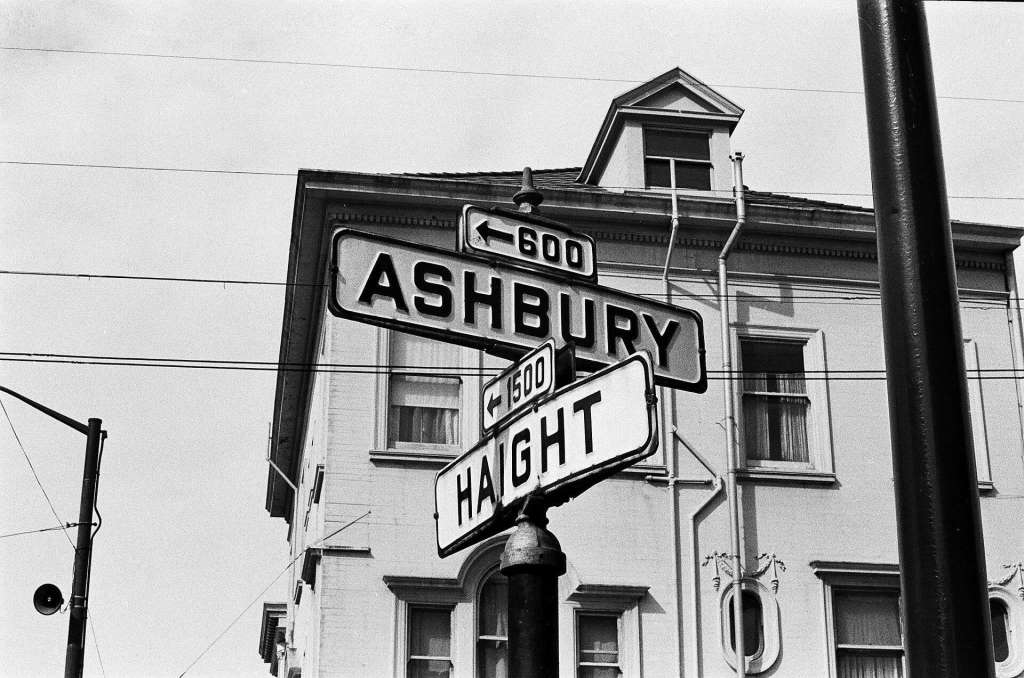
In America, San Francisco’s Haight-Ashbury neighbourhood became the epicenter of the counterculture movement leading up to the Summer of Love. Musicians, poets, film makers, and authors gathered to jam and put on shows. Food, housing, and space for making music was shared. It was a communal society. Everyone was working together. In fact, the anthem of the counterculture movement and the Summer of Love was Scott McKenzie’s, San Francisco (Be Sure To Wear Some Flowers In Your Hair):
If you’re going to San Francisco,
be sure to wear some flowers in your hair.
If you’re going to San Francisco,
you’re gonna meet some gentle people there.
The external major events of Vietnam and the civil rights movement heavily influenced the music of the time. The lyrics and the narrative centered on the revolution of this new frontier: the search for hope. The search for the American Dream.
RADIO CAROLINE
The UK experienced a similar revolution. A few years before the Summer of Love, a pirate radio station called Radio Caroline was created to broadcast from international waters. This was a response to the radio bans not sanctioned by the government and BBC. The establishment opposed the idea of free radio. They considered rock music to be unwholesome.
The UK counterculture movement also had a meeting place. A music venue/nightclub called UFO, which was part of the underground scene. The club opened December 1966 and closed its doors 18 months later, in 1967. Although it wasn’t politically driven, it was an escape from daily order, a disruption to the norm.
It was “utopia” for avant-garde artists, poets, and musicians. And of course, it involved psychedelics. The nightclub walls, floors, and ceiling captured the dizzying effects and simulated hallucinations of UFO encounters using trippy light shows. Art house films were also projected onto the walls as patrons would “take a nap” on the floor, falling deeper into their trip.
DEATH OF HIPPIE
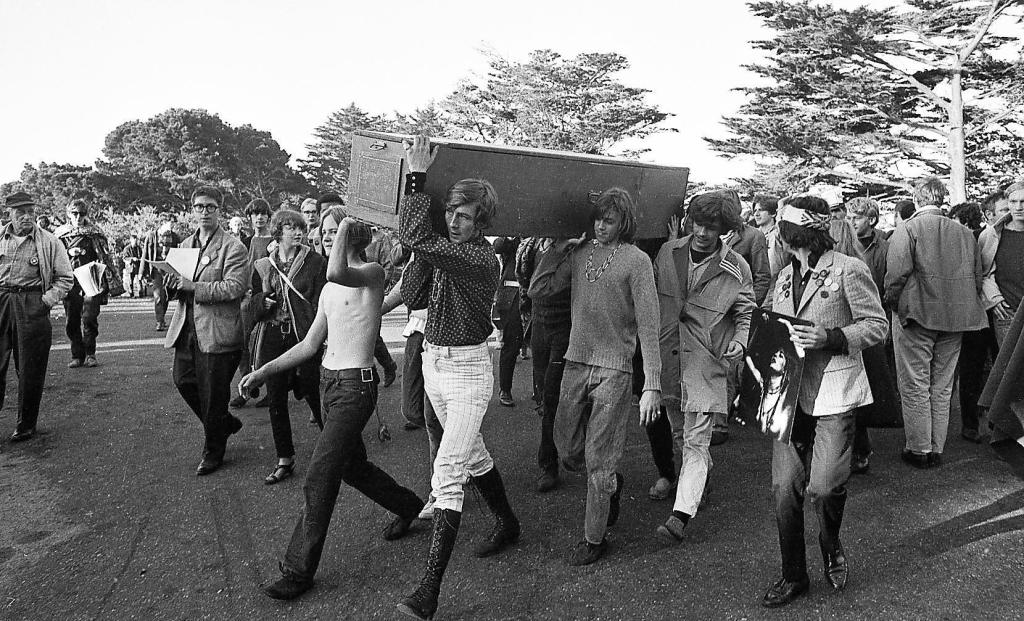
Eventually, the Summer of Love came to an end. They even staged one final event on October 6, 1967 called the Death of Hippie, a mock funeral swan song to bid farewell to the movement (although hippie culture lived on through the 70s).
Why did the movement fail? The obvious and most noted reason: substance abuse. Drugs were consumed irresponsibly. Overdoses and deaths became a norm. The state of living in the communal areas faced disease. The “war on hippies” saw an alliance of the media’s negative criticism and the violent response from cops.
The Summer of Love was built on “turning on, tuning in, and dropping out”, but this universal law is flawed and is the reason this movement failed. Universalism is the belief that what is right is right for everyone. That’s simply not true. The community was disillusioned. Countercultures also try to balance nihilism (political anarchy) with optimism, and those two opposing natures can’t work either. And let’s not forget the interference of corporate greed. American corporations tried to materialize on the hippie culture.
I believe Jerry Garcia from the Grateful Dead said it best when he spoke of the flawed concept of freedom:
“That’s the “freedom lie.” There’s been a lie about what freedom is and the big lie is that freedom means absolutely and utterly free, and it really doesn’t mean anything of the sort. The case in point is when you have your own scene like that [Haight-Ashbury in the 60s] Somebody comes in and they’re free to move in but likewise you’re free to tell them to get out.”
The warning of the “dark and sinister” reality of the movement was always present in a song that would later signal the end of the Summer of Love. It’s in the opening lyrics of one of the most prominent bands of the counterculture movement. Jefferson Airplane’s Somebody to Love, opens with: “when the truth is found to be lies and all the joy within you dies.”

I’ve touched on this in my other article. The sinister warning of false perception is a consistent theme throughout the Tranquility Base Hotel and Casino album. Even the album cover shows the complex, the Eden in space, rotating on the telemetry tapes of the much debated Apollo landing. Before you visit this “place”, you’re being warned. Alex is puncturing your bubble before you set sail towards this new world, or as the counterculture promised, the allure of the American Dream.
Writers like Tom Wolfe and Joan Didion are great examples of writers who contributed to counterculture writing and the “new journalism” but personally there is only one writer that truly captured the time. This crash and burn of the American Dream is beautifully explained by Hunter S. Thompson in his book, Fear and Loathing in Las Vegas: A savage journey to the heart of the American Dream.
HUNTER S.THOMPSON
Who is Hunter? He was a journalist and an author. He’s well known for being a prolific writer of the counterculture movement America. He was critical of the hippies and how they failed to achieve the heart of the movement.
He redefined and recontextualized journalism by creating his own style of writing: Gonzo journalism.
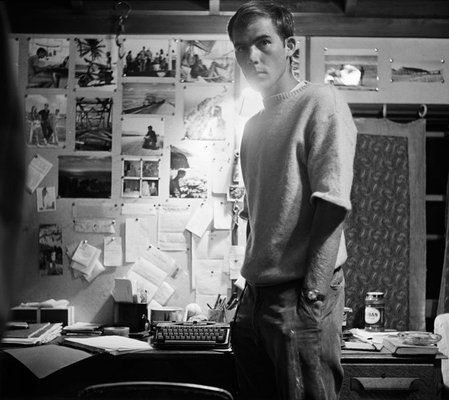
What is Gonzo journalism? The word wasn’t created by Hunter. It was a word Bill Cardoso, editor of the Boston Globe, used in response to a sports story Hunter submitted. Hunter was assigned to write about the Kentucky Derby. At the event, he couldn’t physically see the race from where he sat. So instead of writing a sports piece, Hunter wrote about the events leading up to, and happening around the derby. He wrote about the drunks in the crowds, describing the setting, but not the actual race. It was hyperbolic commentary. Bill Cardoso called his style, “totally Gonzo!”
Gonzo journalism blurs the line between fact and fiction. It’s a style of writing that puts the writer in the narrative of the story. It is an immersive experience taking in the atmosphere of the event and the people it centers around, rather than simply covering the topic.
Alex Turner conducted his own style of Gonzo writing with the lunar album. He immersed himself, the band, and the audience in the complex where fact and fiction blurred. He was living in the threshold of the lunar complex, between realities. He was like the Flammarion engraving, the man between worlds.
If this prediction is right, then at the core of it I strongly believe the sense of enthusiasm he shared in his lunar world will return with the next album. And I’m not talking about being launched back into space.
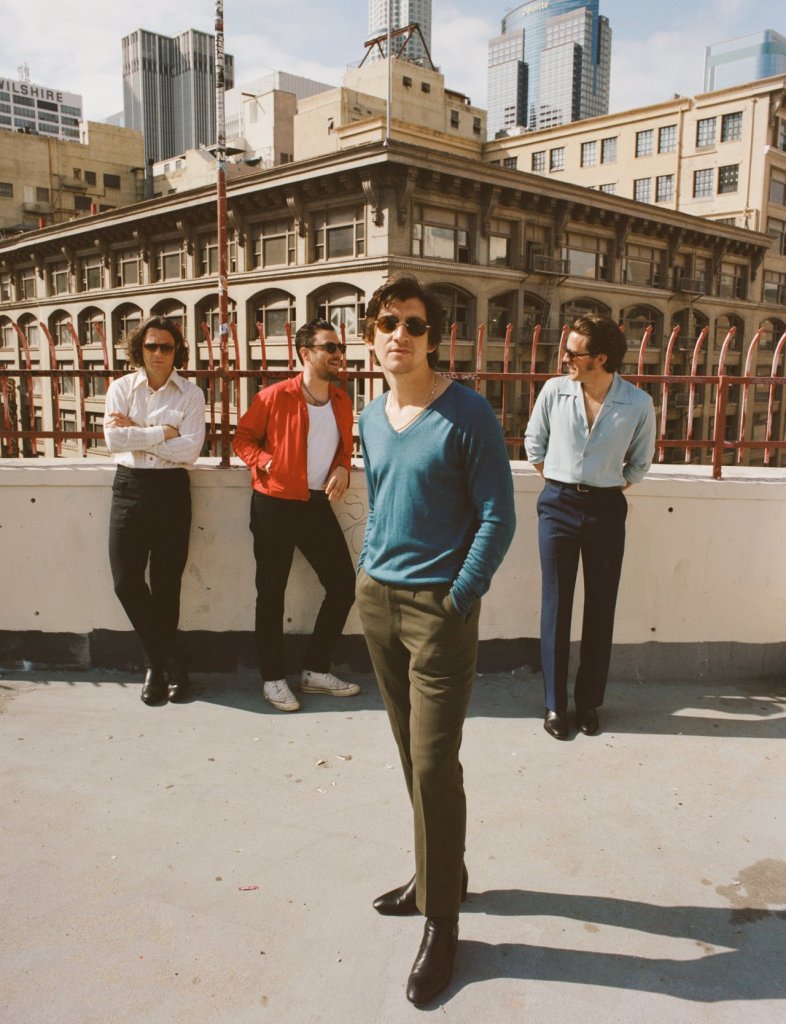
It won’t channel the themes of The Car or Tranquility Base Hotel and Casino. The “behind the scenes” theme, or “the process of filmmaking” and musical production. It won’t be a self referential, meta album nor an industry glimpse into the man behind the mic. But I have a feeling I can’t shake off. My instinct keeps pulling towards the 8th album embodying the previous enthusiastic childlike spirit. The stream of consciousness style of writing he toyed with in Tranquility Base Hotel and Casino.
THE CAR
Personally I’ve always found Alex’s pattern of writing to give and retreat. The Car album was vulnerable and internal. Musically he channeled new sounds, new extensions to his instruments, and launched himself back into films, literature, and music. He borrowed from the past, resolving his own nostalgia.
The influence was present in the extravagant stage portal as well. He gave a lot of himself into The Car’s lyrics even though he concealed himself within the confines of the film director’s blazer. I think he’ll retreat for the 8th album, revealing more commentary of the external world and less of his personal diary.
From my perspective, The Car is one long ballad that lives within the lyrics of the lunar world. It is an extension of the sound and sentiment. I find The Car is also similar to the AM album. They’re both a page out of his personal diary. And although AM and The Car share moments of reflection on the band, they mostly read like a 3 am journal entry inspired by heartache and the passage of time.
They’re love declarations. Drunken texts. Inner dialogues.
AM and The Car albums are a pause between all the other albums. A reflection of the man behind the mic, and a glimpse into one narrative: his own.
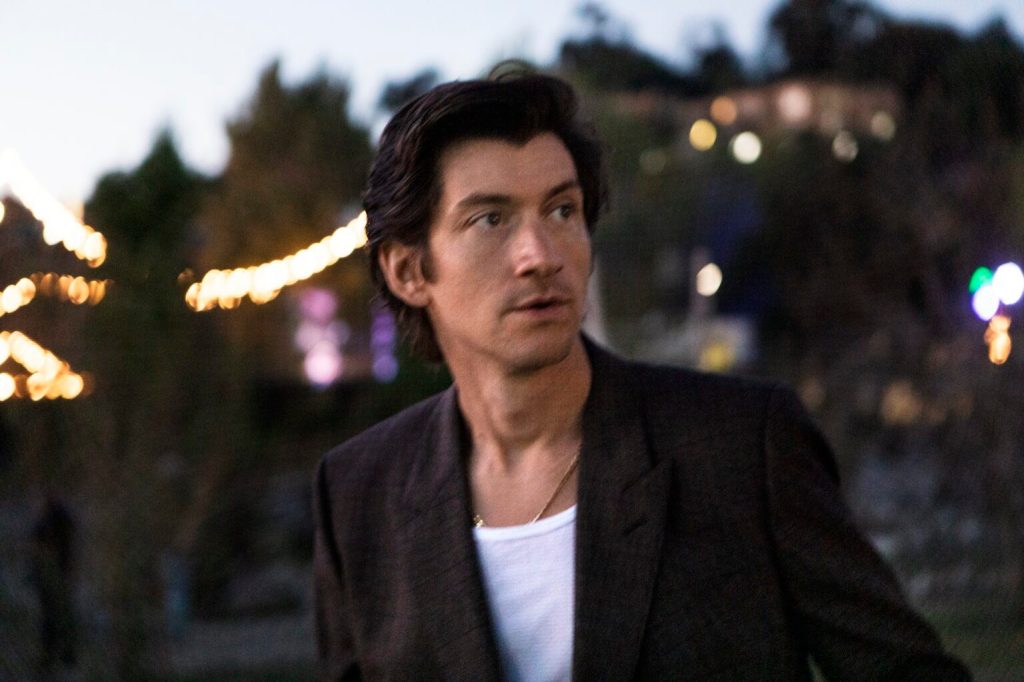
The tie I found between the lunar world and The Car, is the commentary on the music industry and the artist. I mentioned in a previous article I wrote (Big idea: A timeless piece or a piece of the time?) how Big Ideas serves as the key to understanding the album. Big Ideas strikes me as an ode of personal frustrations, the duality within him. The fight between artist and entertainer.
The Ultracheese is a perfect parallel to Big ideas. He’s reflecting on his career, role, self, and the past.
MARK SPEAKING
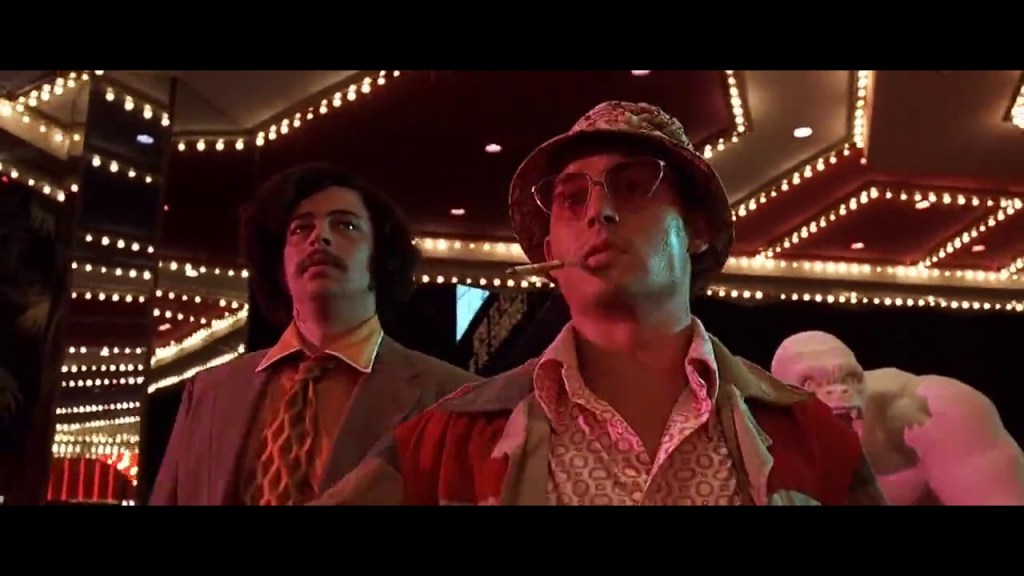
Fear and Loathing in Las Vegas could be Tranquility Base Hotel and Casino in a parallel universe. Hunter wrote the book in 1971, a few years after the death of the Summer of Love. Fear describes his feelings towards the state of America, and loathing was his sentiment towards the people who allowed the American Dream to fall apart, including authority, mostly Nixon. The heart of the book is the search for the American Dream, the idealistic utopia of the 60’s counterculture.
Tranquility Base Hotel and Casino chased an American dream as well. The album loosely followed the atmosphere of the 1969 moon landing and the age of innovation around that time period. The album explored the darker side of a rapidly changing world and the rise of technology. Paranoia, anxiety, disenchantment of reality, and the need to disconnect and be isolated. The album ended with The Ultracheese, where we see less of Mark and more of Alex. We get a man reflecting on his metaphysical search for truth, the utopia he escaped to, the new frontier . The Ultracheese felt like a pause from all the rest of the space-like lyrics and tracks of the album.
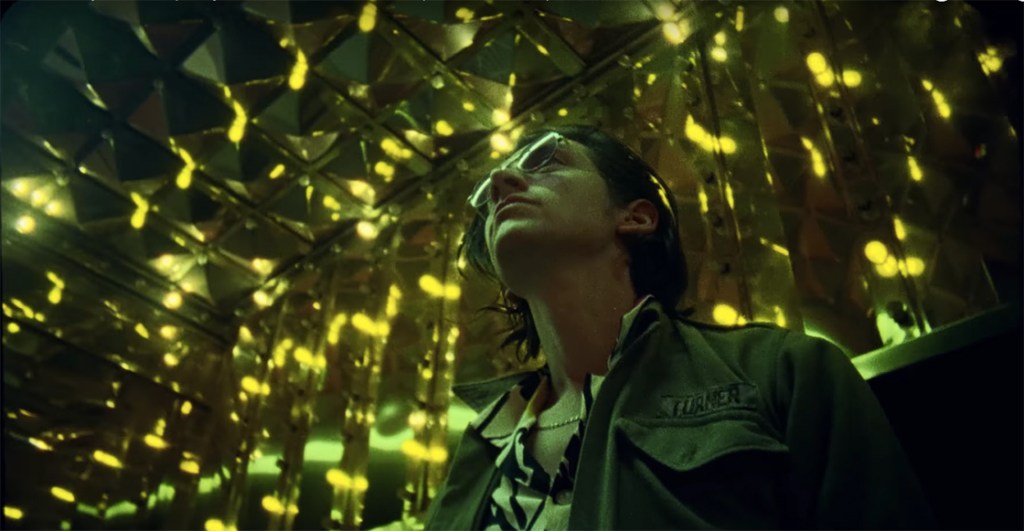
And that slight pause and reflection, leaked into the next album, The Car. The 7th album is basically the sequel to The Ultracheese, carrying a different theme, but exploring similar inquiries and sentiments. I know Arctic Monkeys claimed they “came back down to earth” with The Car, but it felt like an intermission. A pause. As if they didn’t really conclude the lunar world.
I think the 8th album will be a resolution of the social critique he pondered in Tranquility Base Hotel and Casino, and like Hunter, it will look to the past.
Just like Hunter, I believe Alex could look at the world now, which is reminiscent of the rise of the counterculture, and instead of escaping, he’ll embrace it.
And I know it seems strange to make a prediction about the next album by returning to Tranquility Base Hotel and Casino, but when I look at Hunter’s writing, he also revisited his alter ego, Fear and Loathing’s main character Raoul Duke, when he felt he wasn’t through yet.
Duke was his writing tool: “I’ve taken this character as far as I can take him, I’m repeating myself. It’s hard to write this way. I become too much part of the story. I used to be able to stand in the back and observe but now when I write a story I become part of it. ” – Hunter S. Thompson Documentary (interview)
I believe Alex is not done with Mark.
The Car’s setting revolves around cinematic tools, including “characters”, “masks”, “costumes”. But there was more of Alex, the man behind the mic, in the lyrics. He didn’t really embody “the director”, “Mr. Schwartz”, or even briefly, a “mechanic”. Compared to the previous tour where he physically embodied “Mark”.
It reminded me of how the band transformed into the Americana look for Suck it and See, and took it up a notch for the AM album, taking notes from Josh Homme. Personally I found Alex’s stage presence in 2018 and 2019 to be more confident than during The Car tour. The lunar album is deeply layered which I think may have sheltered him when singing emotionally charged lyrics.
The Car was a breakup album and a self reflection, a personal diary. In a 2024 interview with Tom Power, Josh Homme warned about revisiting the past: “There are certain songs that I have to be careful how much I focus singing into them. These songs are about emotions and experiences you have and if you’re not careful you can get trapped into the gravity of those moments again.”
I think Alex may find it easier to retreat his feelings in the next album and voice his new writing through a version or a revisit of Mark.
FEAR AND LOATHING
In Fear and Loathing in Las Vegas, Hunter’s alter ego, Raul Duke, drives to Las Vegas in his Great Red Shark, a red Chevrolet convertible in search of the American dream. At one point in the book he states, “we were told it’s here!” as he and his lawyer Dr. Gonzo navigate the Vegas strip. Vegas represents the excessive nature of America, and the casino industry represents capitalism, wealth, and status.
The highway is a literary device, the open road is a quintessential American ingredient for adventure and freedom. (Similar examples: Jack Kerouac’s On The Road and the movie Easy Rider)

The trip to Las Vegas mirrors the positive start of the hippie movement, the rise of the revolution. However, The trip within Las Vegas signals the loss of the momentum.
In the book, the Great Red Shark is a symbol of America and the American Dream. It’s a classic American car and an icon of American culture. The deeper the characters fall into their Las Vegas trip, the more damage the car faces, which is symbolic of the drug use and the disenchantment of the counterculture.
The Great Red Shark is then replaced with the The Great White Whale. A luxurious, and automatic Cadillac. It encapsulates a different version of capitalist America, wealth, status, and luxury. It’s also a symbol of the white whale in Moby Dick, a monster that can’t be defeated, and in this case the concept of the new American world and the conservative dreams of Nixon.
Hunter viewed Nixon as the dark side of the American Dream. It’s worth noting that the video of Body Paint was stylized after films and accounts of Watergate and the Nixon era. It felt as an afterthought of the themes in the lunar album.
FEAR AND LOATHING ON CLAVIUS
Arctic Monkeys’ search for the American Dream started long before Tranquility Base Hotel and Casino. With Humbug, they drove to the California desert and worked with artists outside of their normal circle. Suck it and See embodies and embraces the new horizon, the new dream. It’s the album of rock n roll revival, the return to the 60s aesthetic, and like California’s Hell’s Angels, the band formed their own alias, the Death Ramps. Hunter lived with the Hell’s Angels for a year and wrote a fantastic novel I highly recommend.

Tranquility Base Hotel and Casino is where the chase of the dream is more lyrically obvious. Alex was so consumed by the lunar project that he named his home studio, the Lunar Surface. Similarly before him, Hunter bought a house in Colorado which he called Owl Farm, a “fortified compound”, where he spent most of his life writing.
For this portion of the article I want to look at comparable themes between Fear And Loathing in Las Vegas and Tranquility Base Hotel and Casino.
| FEAR AND LOATHING | TRANQUILLITY BASE |
| The book kicks off with the famous line, “we were somewhere around Barstow on the edge of the desert when the drugs began to take hold.” Hunter immediately informs the reader of the sinister tone of the story. He’s blunt with his readers and his state of mind. | The album kicks off with the lyrics “I just wanted to be one of the Strokes.” Alex admitted to liking how “blunt” it sounded and how it reminded him of the convictions of the first album. |
| The dark side of the 60’s counterculture | The dark side of technological advancement |
| The search for the “American Dream” | His writing method of escaping his own reality. The album is an allegory. A multi-layered revelation album. On the surface it’s a metaphysical narrative in search of answers, but it’s an illusion concealing his dismay. |
| Raoul Duke | Mark |
| Hyperbole satire | Hyperbole satire |
| The highway as an escape threshold between worlds | The moon. A new frontier, an escape from reality. |
| Hotel Room and Casino where he spends most of his time “tripping out” | The lunar complex is an escapist device of his psyche. |
| Exchanging the Red Shark convertible for a shiny White Whale. Hunter writes about the White Whale having “esoteric lights and dials” that Duke doesn’t understand. | Arctic Monkeys’ journey from the greaser era to the “future” colony. The instruments introduced in the new album represent an evolution of sound (new lights and dials to play with) |
| Drugs and Gonzo journalism | The mirrors in the complex (illusions), and the cover of the album (missing telemetry tapes of the moon landing). What we see is a blur of fact and fiction. |
| Quotes about the galaxy while remaining grounded on earth. Hunter wrote the following: “We were on a cosmic journey that felt like it would last forever”, “The hotel room was the size of a galaxy”, and “ a whole galaxy of multi-colored uppers, downers, screamers, laughers.” | The mantra of repeating “take it easy”, as if he’s trying to convince himself knowing he can’t achieve bliss in a lie. He’s trying to escape reality but the lyrics can’t seem to escape earthly problems behind. |
Conclusion
Earlier I shared an excerpt from the letter Hunter wrote to his friend about “enjoying the function of the goal”. Will the 8th album mirror that? The Car was a pause from the lunar world, it felt like an echo of the theme but not a continuation. I think based on this theory, Alex could return to the lunar world and revisit Mark to boldly speak of the world around him.
The Car album opened up with the exposed and vulnerable line, “don’t get emotional”. Where will he go from here? Will he retreat and enjoy the function of the musical sounds of revolution? Will his focus be more outwardly? Will he drive on pilot into the next era and allow the landscape to dictate his journey, or will he once again focus inward? I think he gave too much of himself on the last album that he’ll most likely retreat.

How much will the loud and rapid global counterculture movement unravelling around us impact the new sound of the next album? Will Alex take a note from the Gonzo style of writing and immerse himself once again in a social critique of the external madness? Will the new sound reflect music that steered the 60s into the 70s? Are we returning to the age of hedonism in the guise of a revolution?
Will AM bring us back to the UFO night club, a meeting place of the UK counterculture movement?
For this first prediction, I conclude the 8th album could echo the anthems of 1967’s Summer of Love, with complete focus on sound experimentation rather than the truth of the lyrics. Totally Gonzo writing!
The second prediction of the New Wave sound will be coming soon.
 SPANGLED CAVERN
You must be logged in to post a comment.